
 Back
Back


Research Museum of the Russian Academy of Arts

Universitetskaya nab., 17

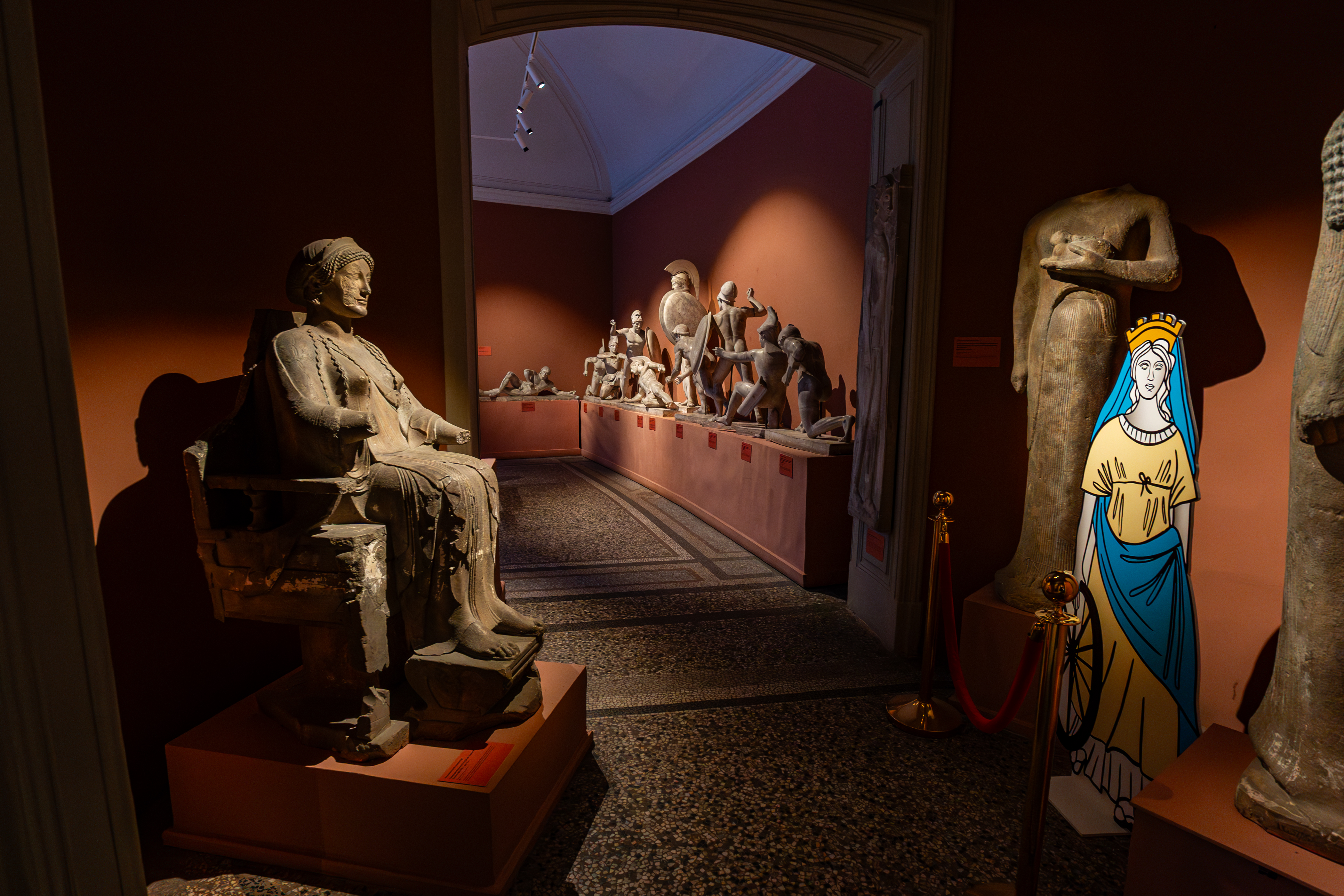
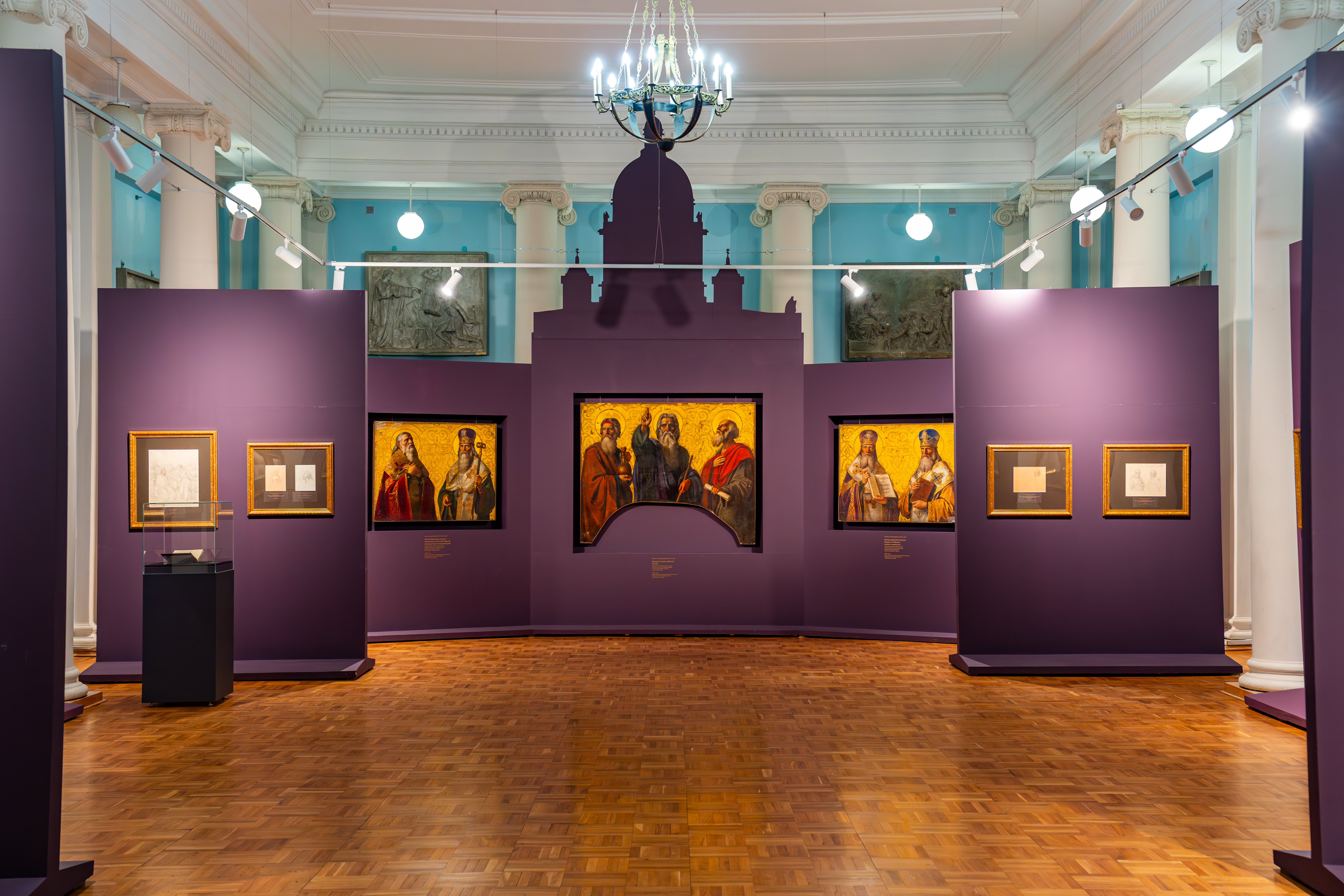
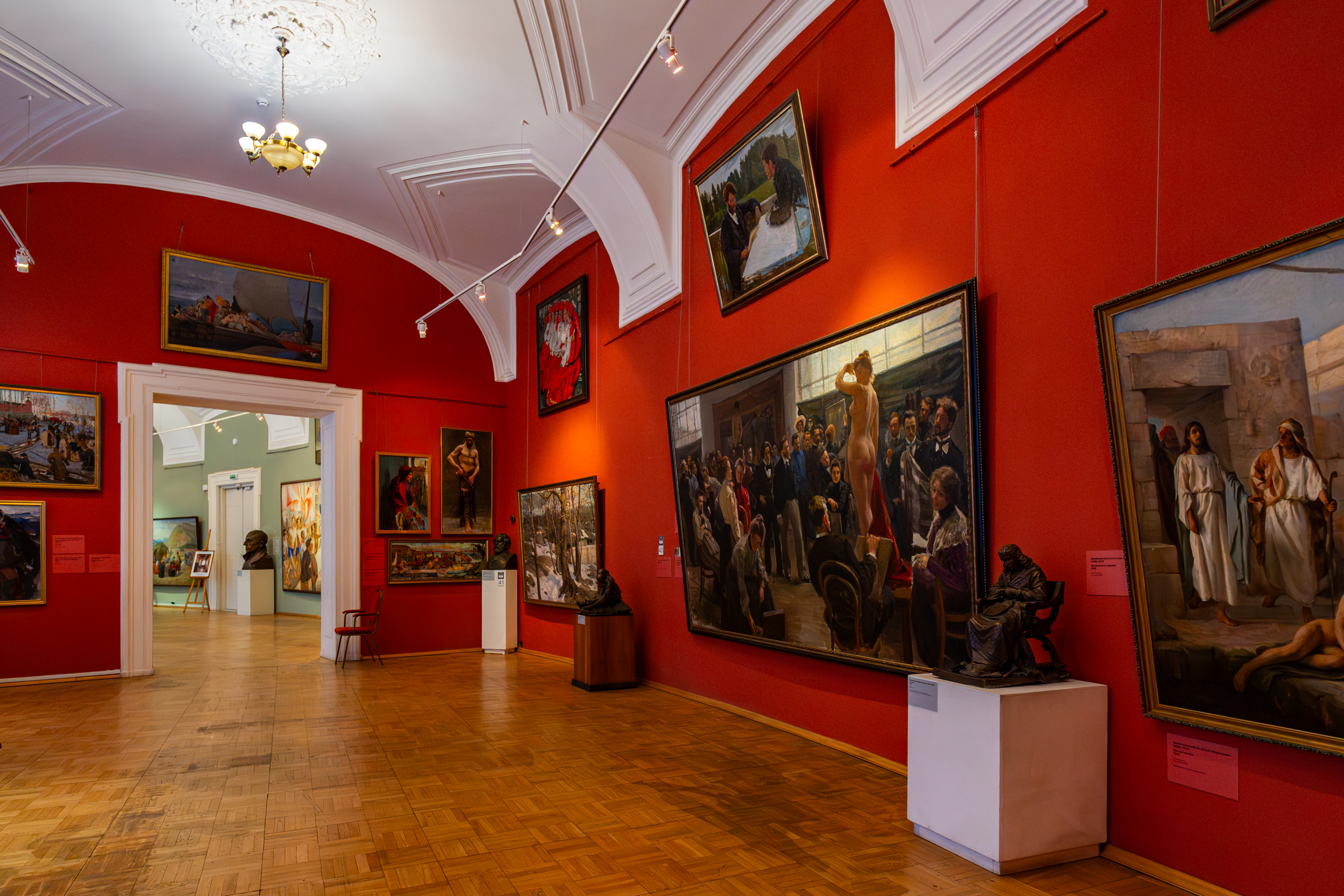
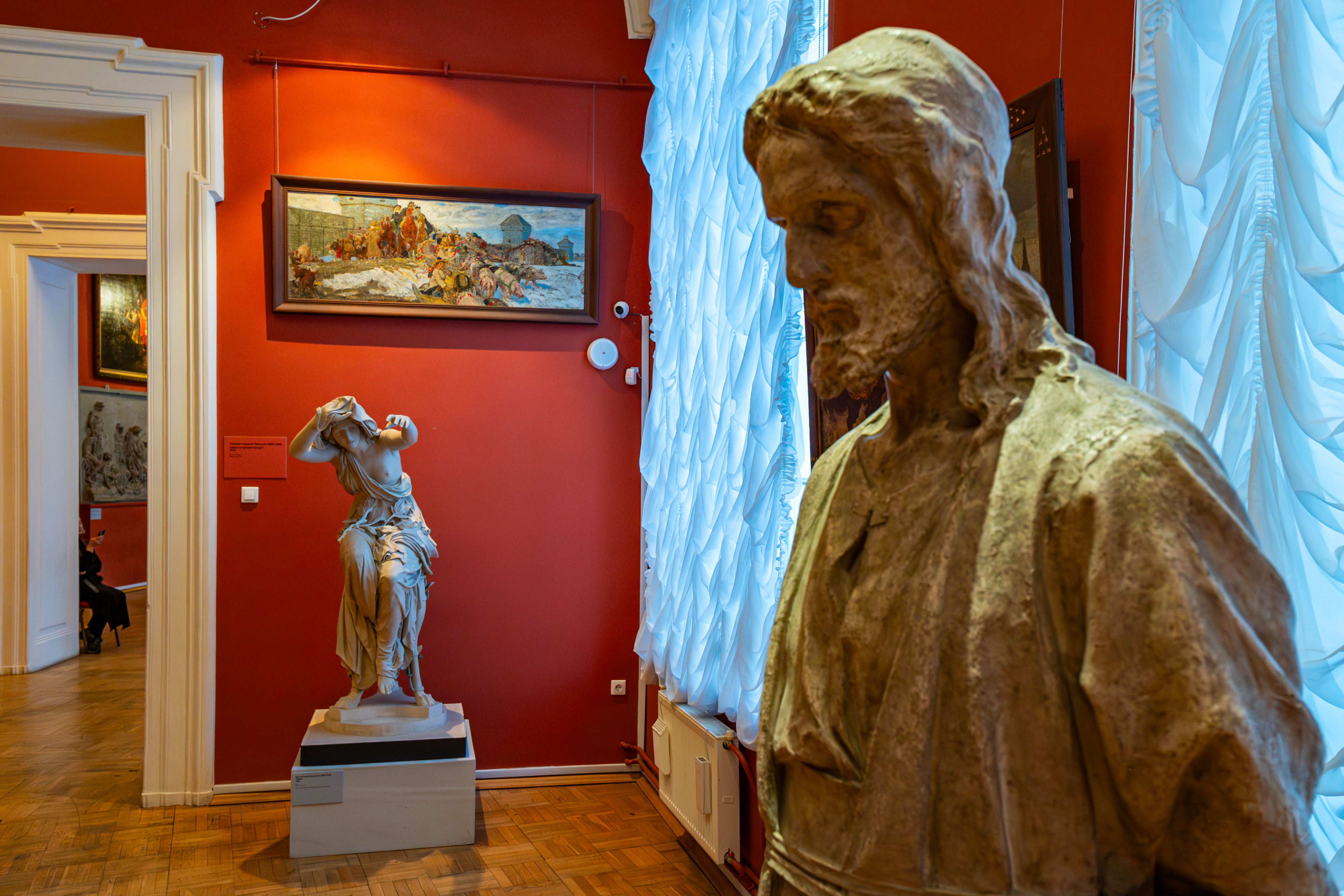
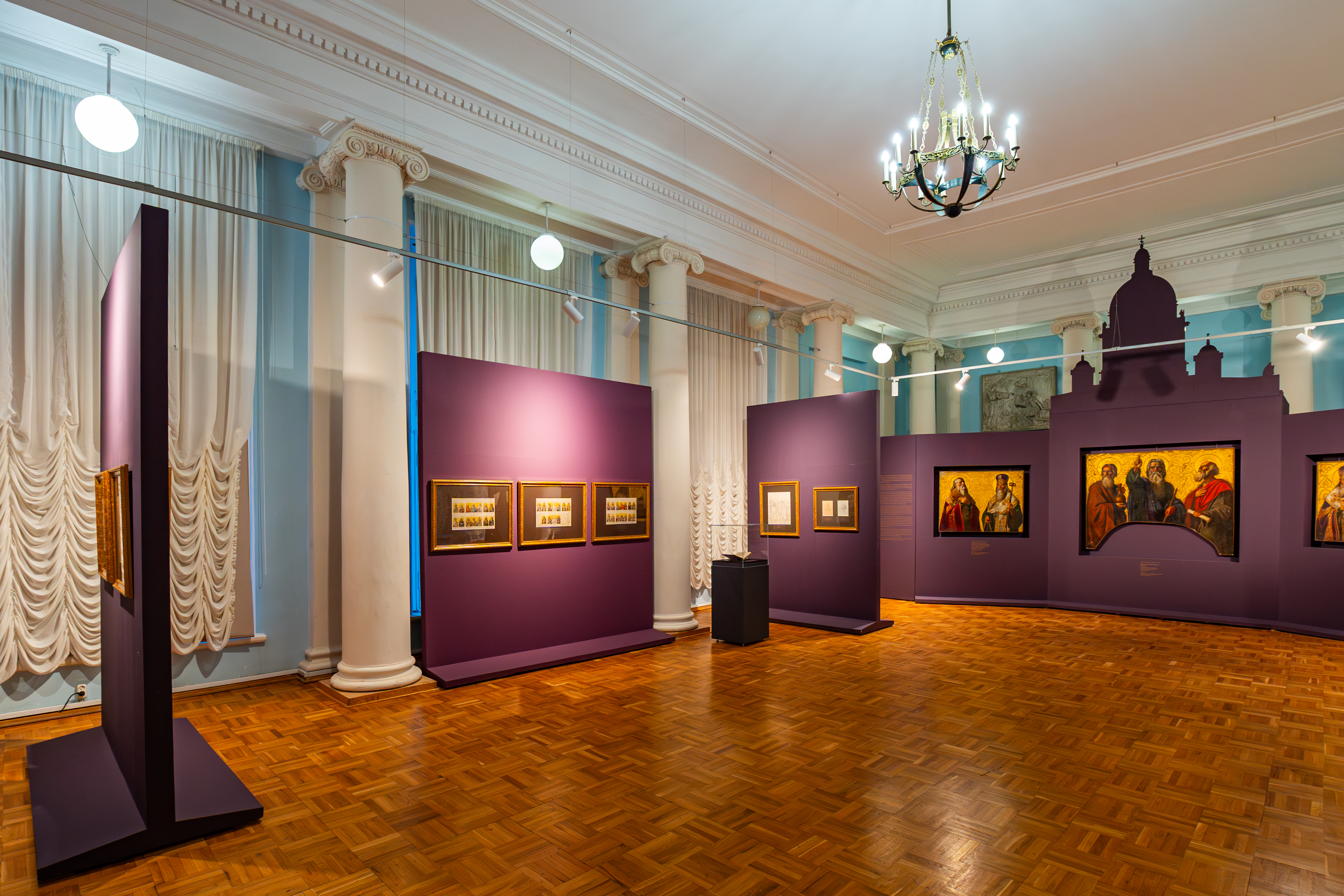
Founded in 1758 by I. I. Shuvalov, the museum houses a unique collection of works of Western European and Russian art. Beginning in the second half of the 18th century, it served to train students of the Academy of Arts, many of whom later became prominent representatives of Russian art in the XVIII–XX centuries.
The Academy of Arts collected paintings and graphic works by Western European masters, as well as casts of famous examples of antique and Western European sculpture, which served as models for drawing in the classes of "plaster heads" and "plaster figures". The building of the Academy of Arts, built according to the design of two teachers of the architectural class of the Academy of Arts - A. F. Kokorinov and J.-B. M. Vallin de la Mothe in 1764-1789, is an outstanding monument of early classicism architecture in Russia. Russian painters and sculptors of the XVIII-XIX centuries, decorating the ceremonial interiors, where the museum of the Academy of Arts is currently located, embodied the idea of the importance of fine art in the life of an enlightened society and in the fate of Russia, and sought to convey to the younger generations of masters of the "three most noble arts" the idea of the high purpose of their calling. The Academy's house church, the Raphael and Titian halls were decorated in the 1830s according to the design of the designer of the Christ the Savior Cathedral in Moscow, K. A. Ton, rector of the Academy of Arts in the 1840s and 1850s.
The permanent exhibitions of the Research Museum are spread over three floors of the "circle" - the internal concentric body of the Academy building. The galleries "running around" the internal round courtyard of the building (55 meters in diameter) are a unique exhibition space.
The first floor is occupied by the casts department, which presents masterpieces of ancient sculpture, as well as models of architectural monuments of antiquity, made in the XVIII century from cork in the workshop of the Roman architect A. Kiki. The collection is unrivaled in its completeness and artistic value: many of the casts collected here were molded directly from the originals in the XVIII century.
The permanent exhibition on the second floor, called the "Academic Museum", presents paintings from the historical collection of the museum, works by those famous artists whose canvases served as models for study and copying for many generations of the Academy's students. This was the principle of the permanent exhibition of the Museum of the Imperial Academy of Arts until 1917: on the second floor in the halls "along the compass", where the Picture Gallery was deployed and sculpture was exhibited, in addition to the best "programs" of domestic painters (paintings on given subjects, for which the authors received gold medals, the titles of artist, academician and professor), works by foreign masters were also shown.
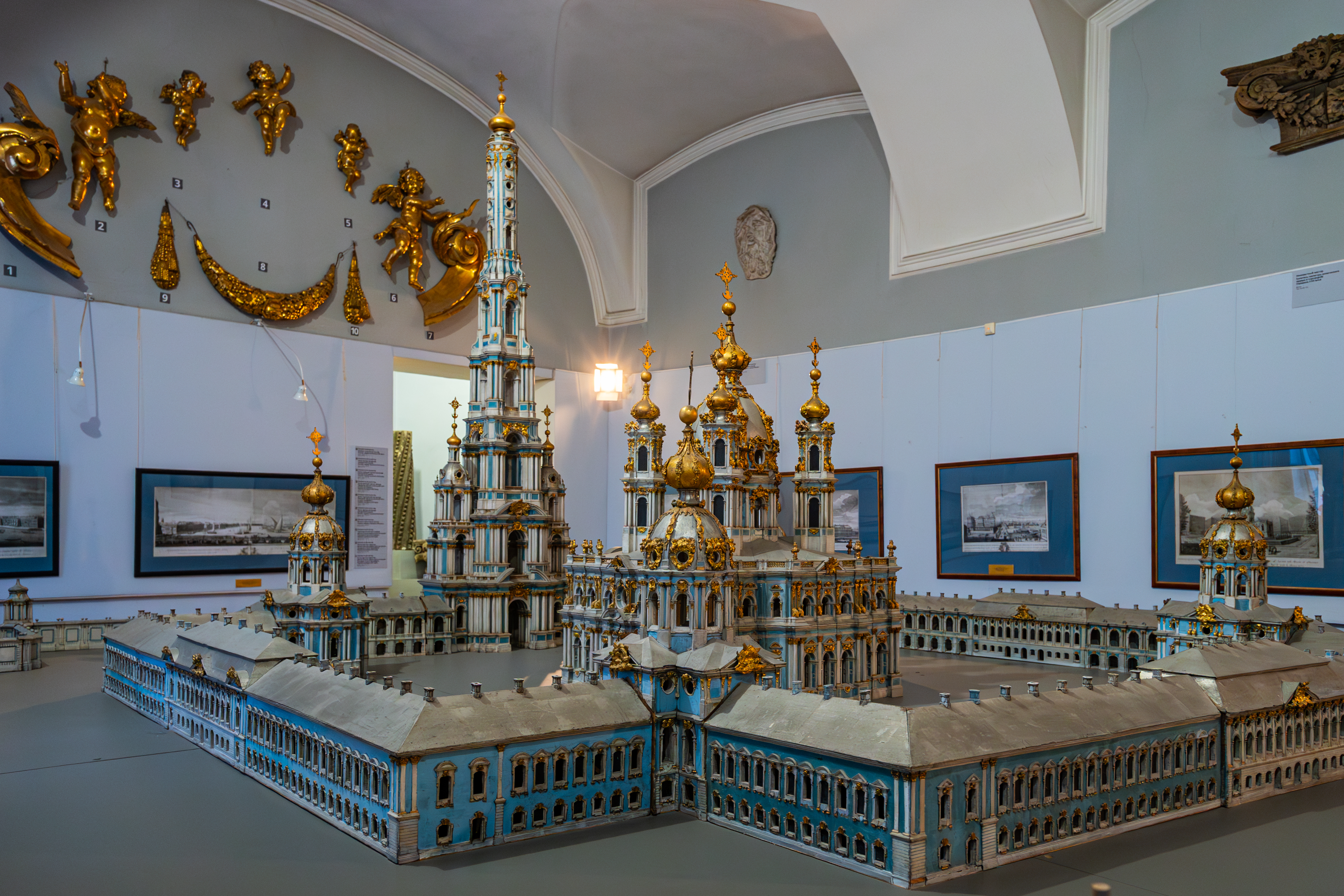
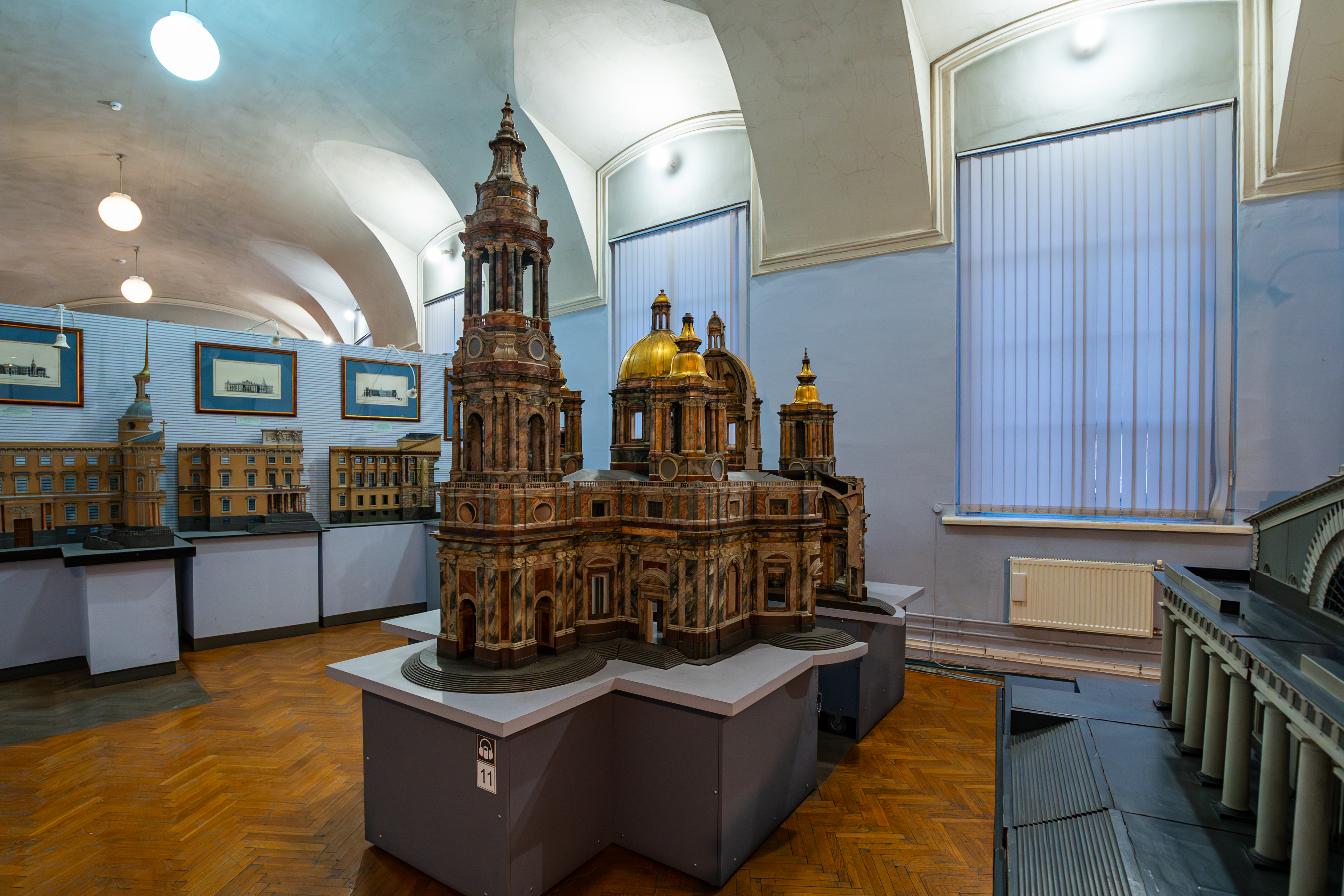
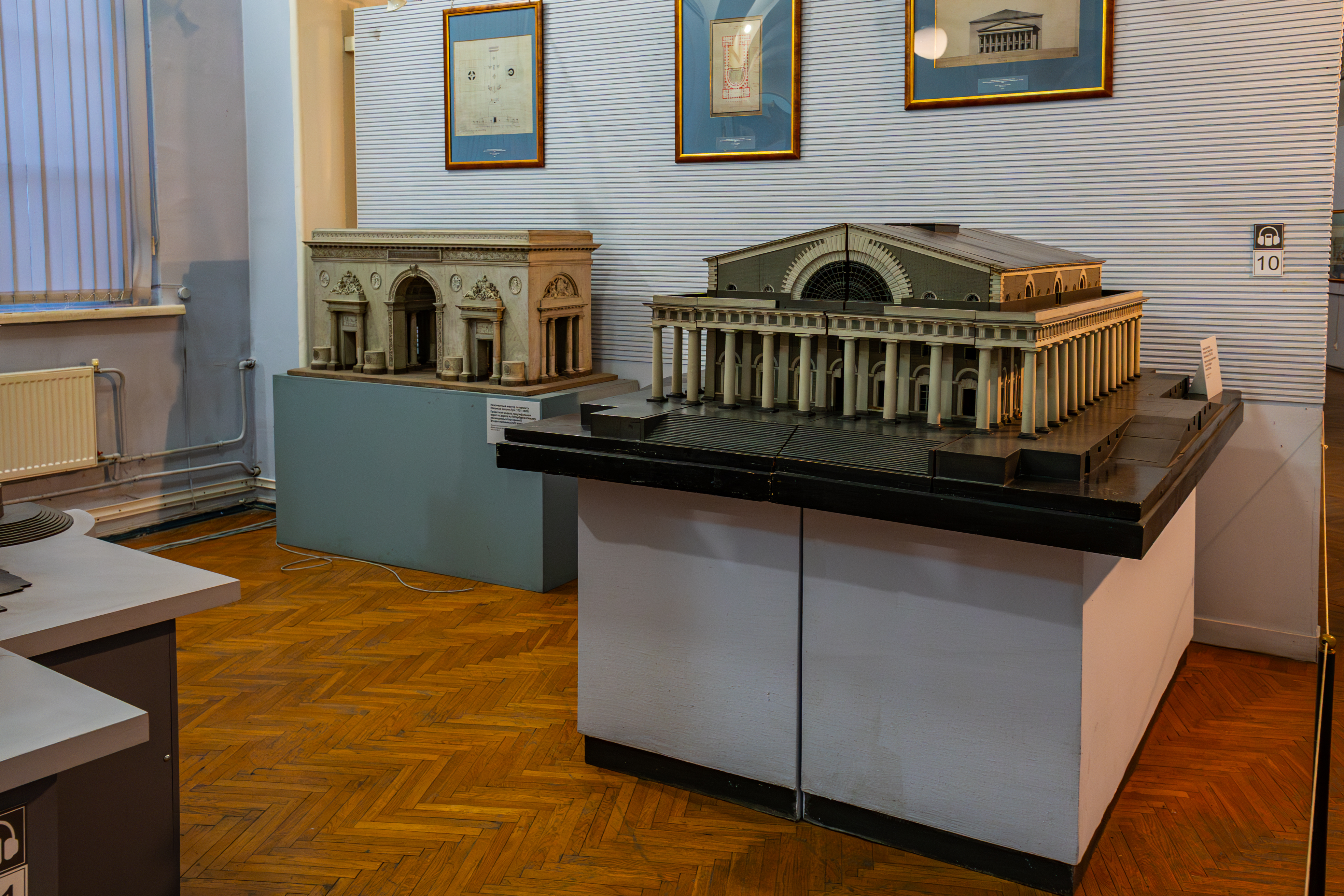
The exhibition "Architecture of St. Petersburg of the XVIII-XIX centuries in models, drawings and plans", located on the third floor, introduces the works of outstanding architects of the past. Of exceptional interest are the unique design models of famous architectural monuments of St. Petersburg: Smolny Monastery, St. Isaac's Cathedral, St. Michael's Castle, the Stock Exchange, etc. (More information about the museum's permanent exhibitions can be found on the website in the "Expositions and Exhibitions" section).
The ceremonial halls regularly host exhibitions of works by Russian and foreign masters of fine art; the Academy Museum has traditionally hosted exhibitions of Summer Practice and Diploma Works of students of the I. E. Repin Institute of Painting, Sculpture and Architecture, as well as the Spring Exhibition, which presents the work of its teachers.
Along the Neva façade of the Academy of Arts building is a suite of ceremonial halls - Raphael, Conference, Titian and Catherine. Their ceremonial, "representative" purpose in the system of interiors of the Academy of Arts determined the features of their architectural appearance and decorative decoration.
The initial design for the decoration of these rooms was developed by A. F. Kokorinov and J. B. M. Vallin de la Mothe. It is reproduced in the model of the building, presented in the exposition of the architectural department of the museum. In practice, it was not fully implemented.
In the 19th century, the halls were rebuilt twice. In the late 1820s, A. N. Olenin, then president of the Academy, entrusted the work on finishing the rooms that remained unfinished to the architect K. A. Ton, who had just returned from a pensioner's trip abroad. The project envisaged the decoration of all the ceremonial halls of the Academy and their partial reconstruction and change of purpose. The double-height halls were transformed into "antique galleries". They housed an extensive collection of casts of antique sculpture. The ceilings of both galleries were designed in the form of complex relief compositions in terms of plasticity, consisting of plant ornaments and stylized images of art attributes. In the mid-XIX century, copies of works by famous Renaissance artists were placed here, which later gave rise to the name of the galleries the Raphael and Titian halls. The reconstruction project by K. A. Ton also included the completion of the central domed hall. In 1833, it was decorated with paintings by V. K. Shebuev. All work was completed by 1837.
In the 1860s, the architect A. I. Rezanov rebuilt the central domed hall for the second time, which since then has served as a conference hall for various celebrations and meetings. It also has a passage
