
 Back
Back
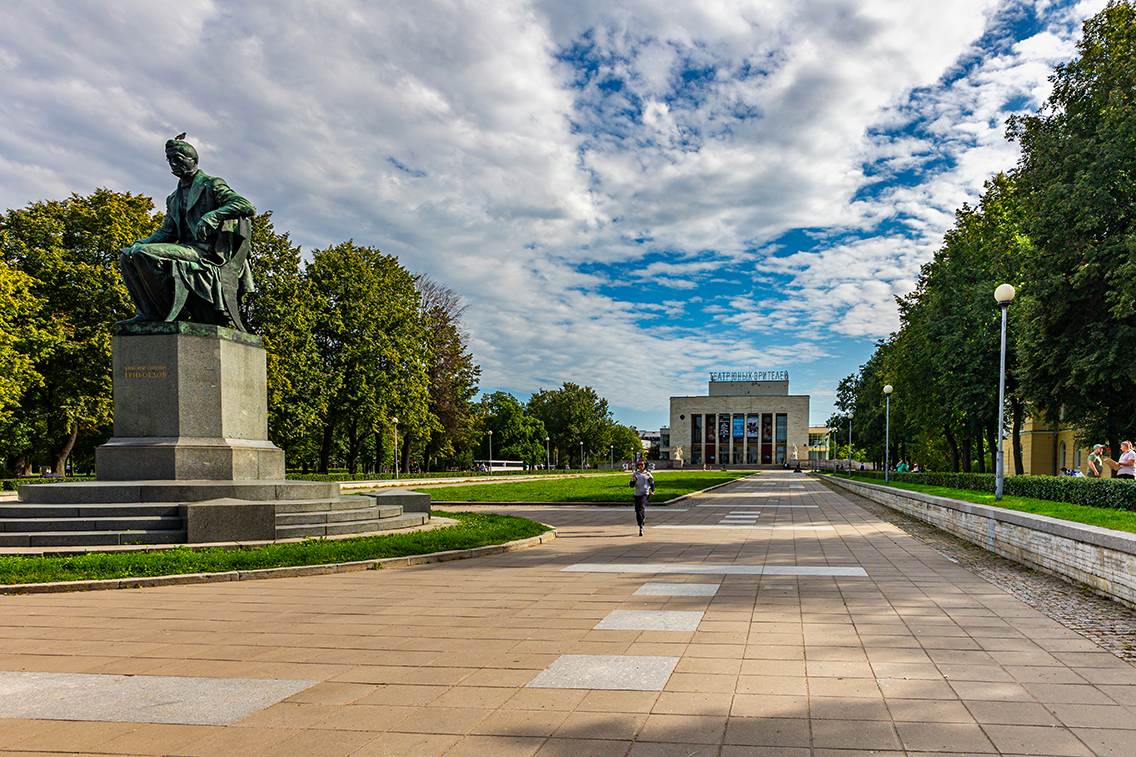
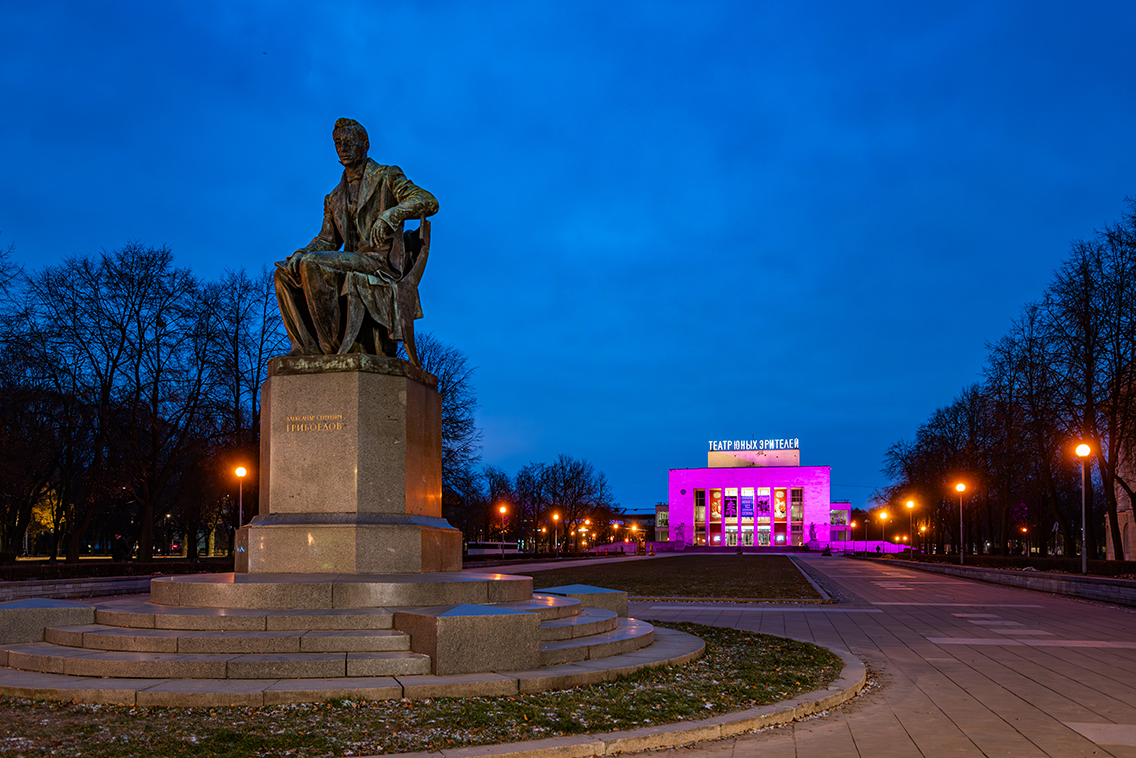
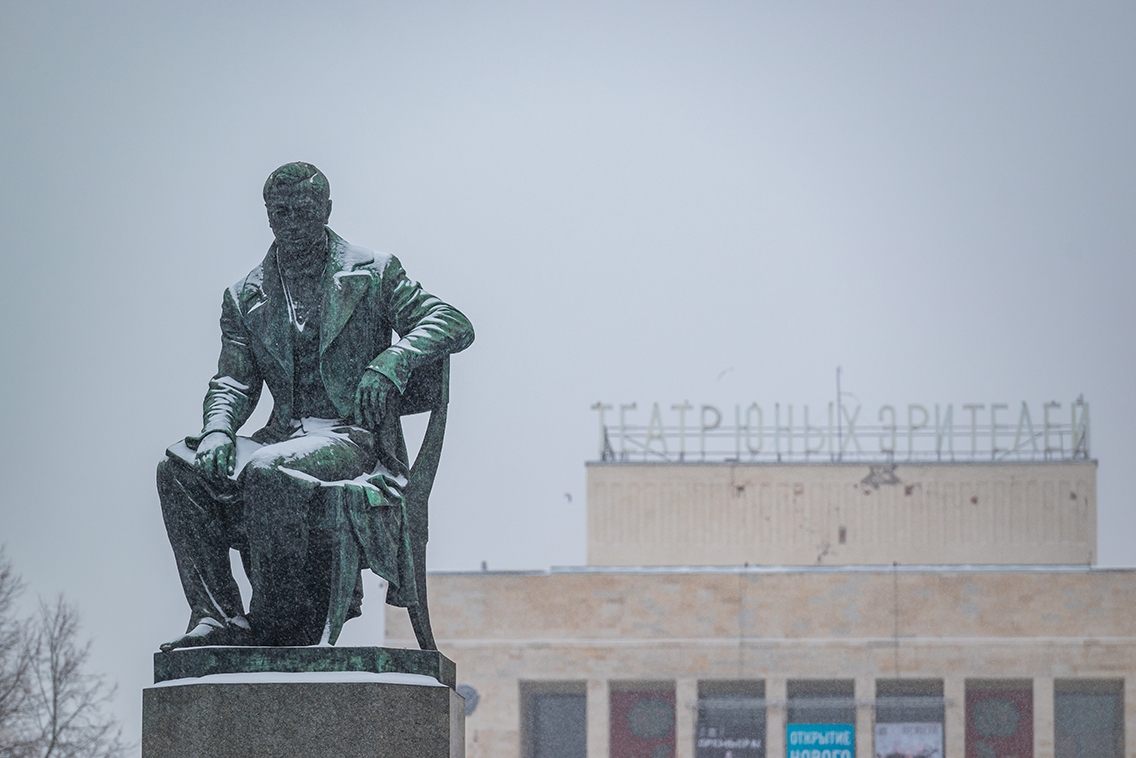
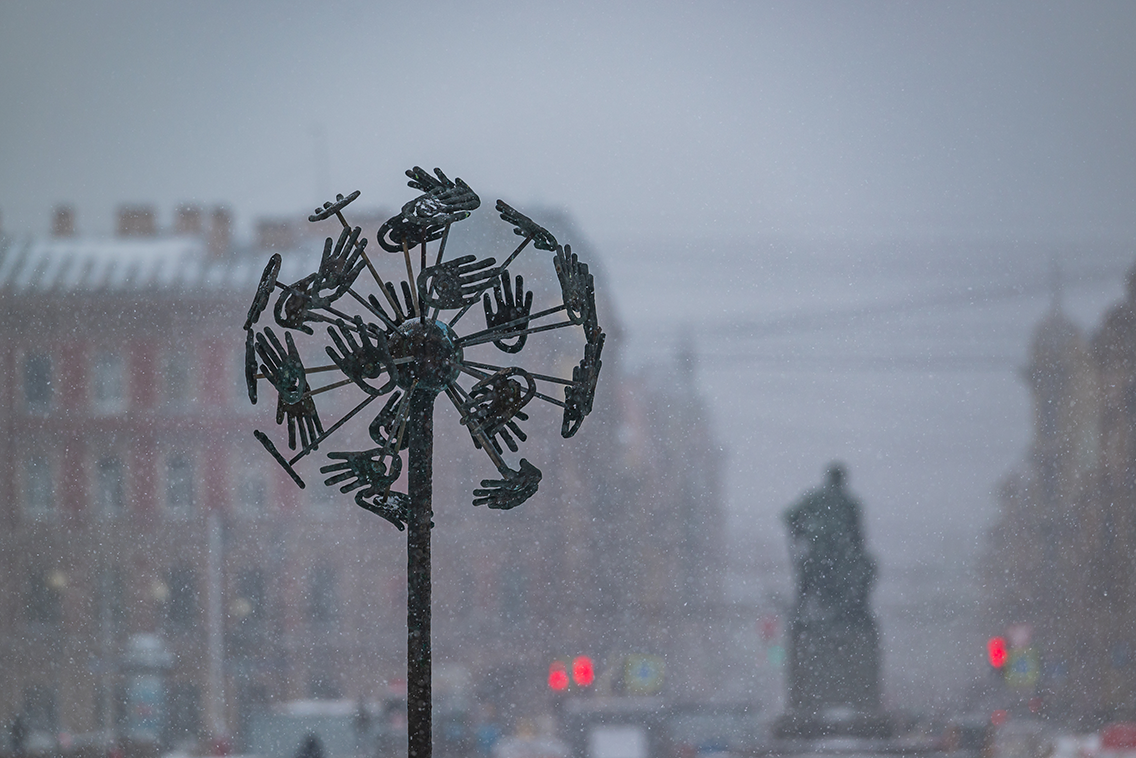
Pionerskaya square

Pionerskaya pl.
The area between Zagorodny prospect, Marata street, Zvenigorodskaya street and Podyezdny lane
At the turn of the XVIII and XIX centuries, the Moscow, Jaeger and Semenovsky regiments were quartered in this area. As a result of the barracks development, an area of 26 hectares was formed, which began to be used as a parade ground. The borders of this parade ground in the north and east since the end of the XVIII century were modern Zagorodny Prospekt and Zvenigorodskaya Street, respectively.
In the XIX century, new borders appeared at the Semenovsky parade ground - the Obvodny and Vvedensky canals.
In 1836-1837, the first passenger railway in Russia was laid from Semenovsky parade ground from St. Petersburg to Tsarskoye Selo and Pavlovsk. Since then, the western part of the parade ground has been bordered by railway tracks.
Since the middle of the XIX century, public executions began to be held on Semenovsky parade ground. On April 3, 1881, the execution of the Narodnaya Volya members, who had organized the assassination of Emperor Alexander II, took place on Semyonovsky Square.
In the 1880s, a hippodrome was built on Semyonovsky Square according to the design of Leonty Benois. The first races were held here in the winter of 1880-1881. At first, all the hippodrome structures were temporary, but gradually Benois gave the hippodrome a fundamental look. Stands with tent-shaped towers were erected around the field according to the architect's design. Races were held here on Sundays. Moreover, there were never any races or horse racing at Semyonovsky Hippodrome. In 1893, one of the first football matches in St. Petersburg took place at the hippodrome.
In the 1890s, festive public festivities began to be held between the hippodrome and the railway. In 1898, the booths and carousels finally moved from the city center to Semyonovsky Square.
