
 Back
Back


Central Research Institute of Robotics and Technical Cybernetics

Tikhoretskiy pr., 21
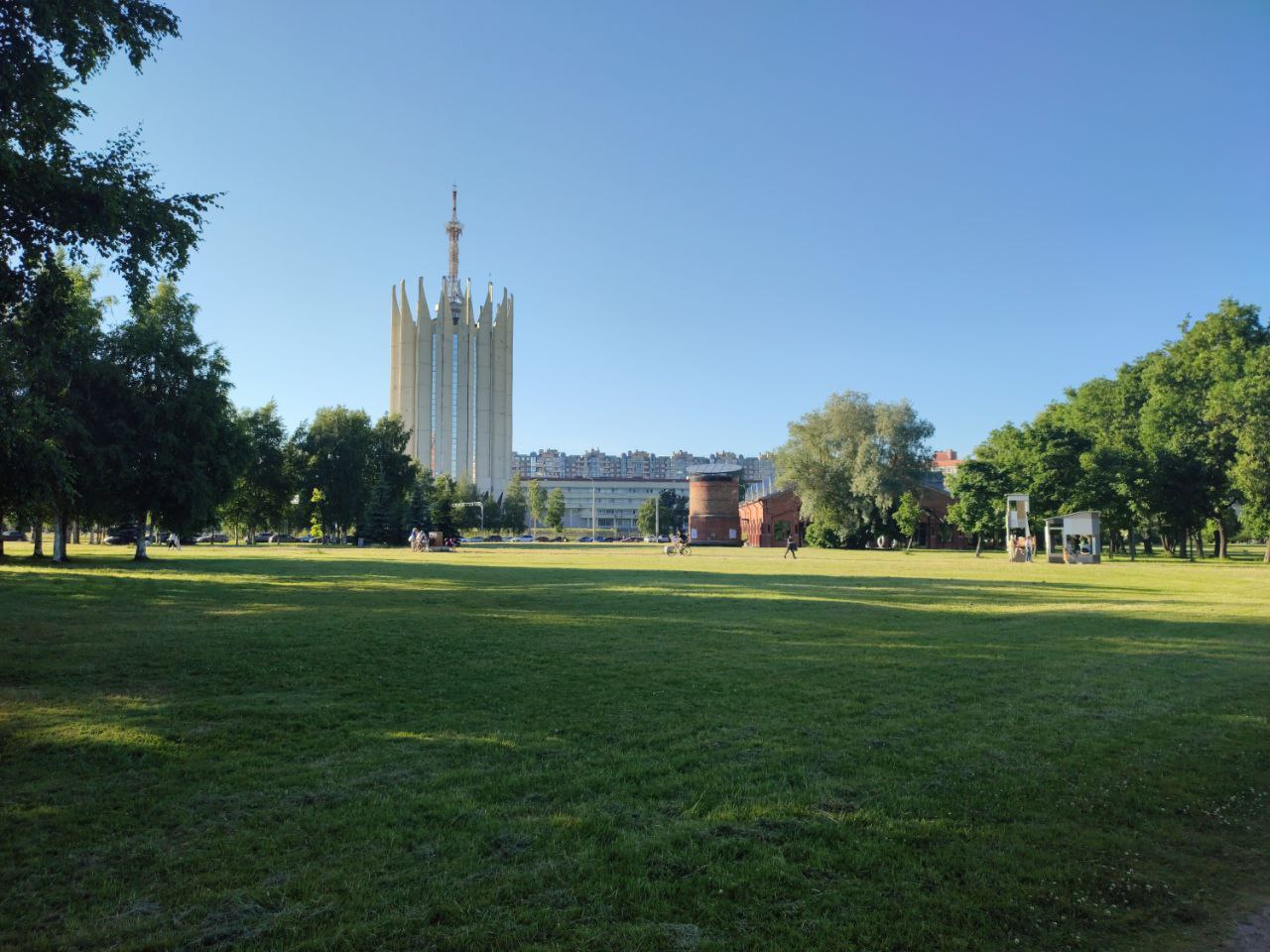
On January 29, 1968, a Special Design Bureau of Technical Cybernetics (SDB TC) was established on the basis of the Leningrad Polytechnic Institute.
In 1973-1986 a building for the institute was constructed at the corner of Tikhoretskiy and Svetlanovskiy Prospects by architects S.Savin and B.Artyushin. In June 1981, the Design Bureau was transformed into the Central Research Institute of Robotics and Technical Cybernetics (CRI RTC), in June 1994 the institute received the status of the State Scientific Center of the Russian Federation. CRI RTC participated in the development of soft landing control systems for Soyuz spacecraft and the Luna-16 automatic station. It was here that the equipment for the interplanetary stations "Luna", "Mars" and "Phobos" was invented and tested.
The RTC Central Research Institute is one of the largest research centres in Russia.
The Institute has a modern research, design and technological base, unique test benches as well as its own pilot production.
Key competencies of the Central Research Institute of RTC today are:
• creation of mobile robotic complexes and transport and manipulation systems with a wide range of target functions and for various home environments
• development of medical hardware and software complexes for brachytherapy, emergency restoration of blood circulation and perfusion rehabilitation of donor organs
• development of intelligent control systems for robotic complexes and their groupings
• development of vision systems, radiation monitoring and control
• creation of optical means for precision measurement of object coordinates
• development of mechatronic, photonic and laser systems
