
 Back
Back
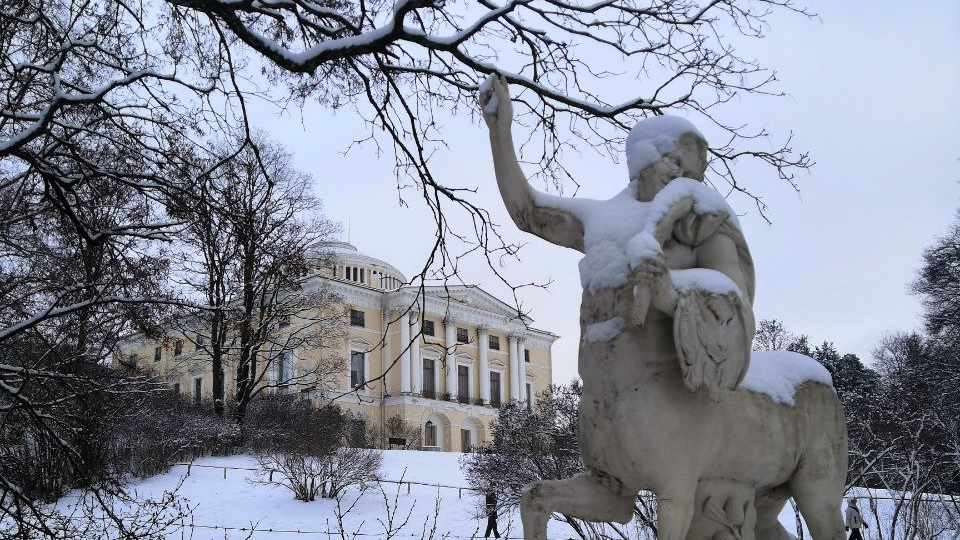


Pavlovsk park

Sadovaya ul., 20 l Pavlovsk
Together with the Pavlovsk Palace, it forms a single artistic palace and park ensemble. Its history begins with the foundation of Pavlovsk in 1777. Initially, these were forest lands where royal hunts were held.
With the appearance of the first modest wooden palaces of Paullust and Marienthal, small gardens began to be created around them on the hilly banks of the Slavyanka. Pavilions, bridges, ruins, flower beds were typical of a Russian estate. The transformation of the forest into a park began with the appearance of C. Cameron, who created a project for a new landscape park on the banks of the Slavyanka River, which is the connecting artery of the park. It was in the second half of the 18th century that the fashion for landscape parks appeared in Europe. It was first established in England, which is why such parks were called English.
Using Pavlovsk as an example, Cameron first developed the ideas and principles of new landscape architecture. Since the future park was a forest, the work began with cutting clearings. Almost all the main park compositions appeared under C. Cameron - the Palace District, the Big Star, the Slavyanka River Valley, the Menagerie and the White Birch. The large wide clearing, which is designed as the Triple Linden Alley, becomes the form of the Palace District, adjacent to the palace. Here Cameron uses the technique of regular planning, a striking example of which is the Private Garden and the Aviary Section. Later, the architects V. Brenna, A. N. Voronikhin, K. I. Rossi, without changing Cameron's plan for these districts, make their own additions and enrich their general character.
