
 Back
Back


St. Petersburg Museum of the Professional Education History

Marata ul., 64
The Museum of the History of Vocational Education was created in 1978 by order of the Main Directorate of Vocational Education of Leningrad and the Leningrad Region for the 40th anniversary of the Labor Reserve system.
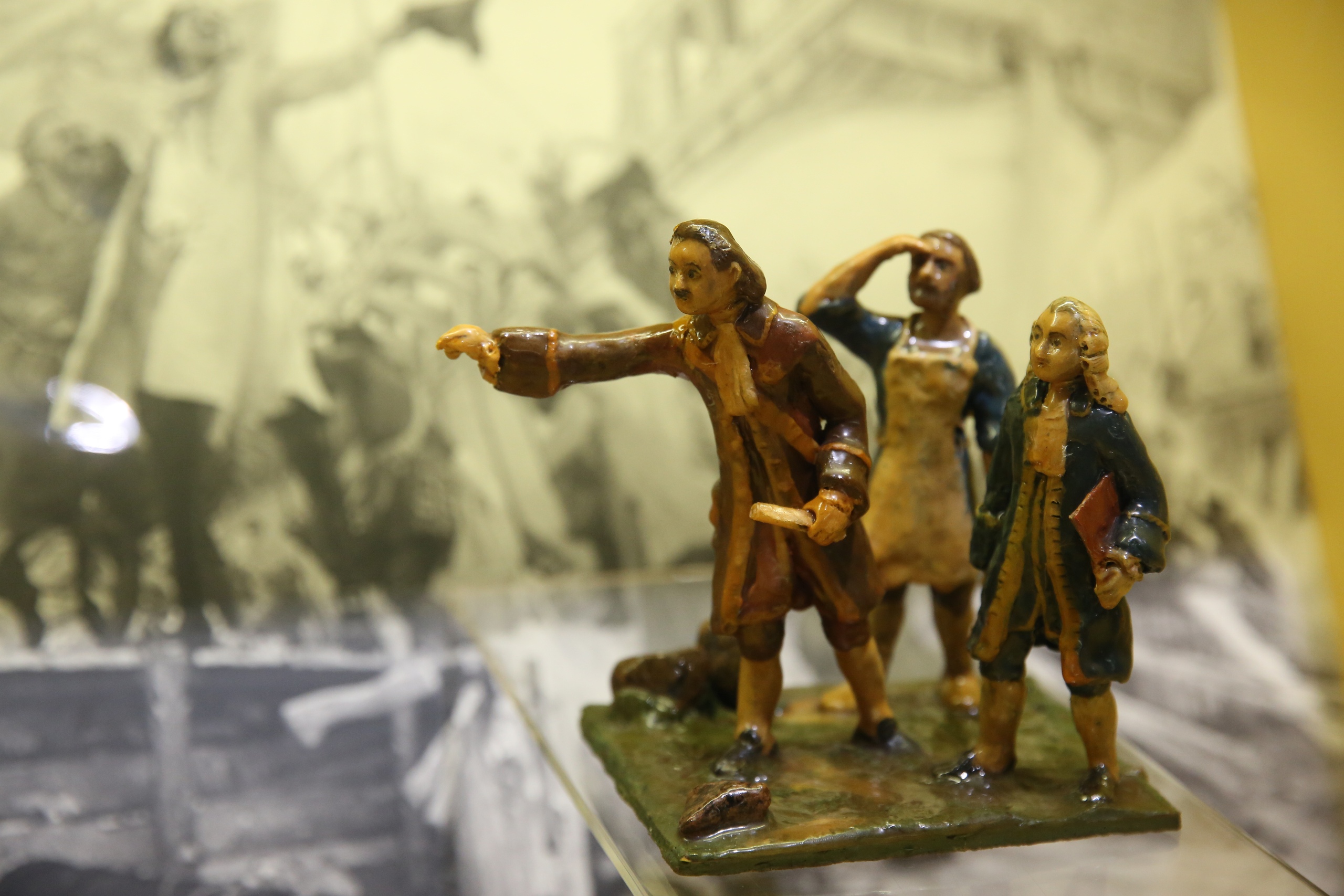
The initial collection was formed on a voluntary basis and with the participation of professional educational institutions. In 1980, the museum opened its doors to its first visitors in the building on Inzhenernaya Street, Building 9. The museum's exposition was devoted to the origins of vocational education in Russia, from the era of Peter the Great to the end of the 1970s.
In 1987, the museum of the history of vocational education became the state museum of the Main Directorate of Professional Education, and in 1994 it received federal status. In 1997, the museum moved to a new building at 64 Marata Street, a former merchant's mansion from the 19th century in the historical center of St. Petersburg. In 2012, the museum became a structural division of the Peter the Great St. Petersburg Polytechnic University.
In 2016, the city authorities decided to transfer the museum to the Palace of Student Youth of St. Petersburg, whose history is closely connected with the history of the Leningrad system of vocational education.
Today, the Palace of Student Youth of St. Petersburg carries out continuous and systematic work on the integration of education and culture, popularization of the cultural heritage of the city and the country among young people. The Palace cooperates with many cultural institutions of St. Petersburg, and its location in the historical center of the city creates favorable conditions for the full-scale use of the heritage of St. Petersburg in matters of education and organization of leisure for children and adolescents.
Since August 29, 2018, the renovated Museum of the History of Professional Education of the State Budgetary Non-standard Educational Institution Palace of Student Youth of St. Petersburg welcomes guests in the renovated building of the Palace on Sinopskaya Embankment, 64.
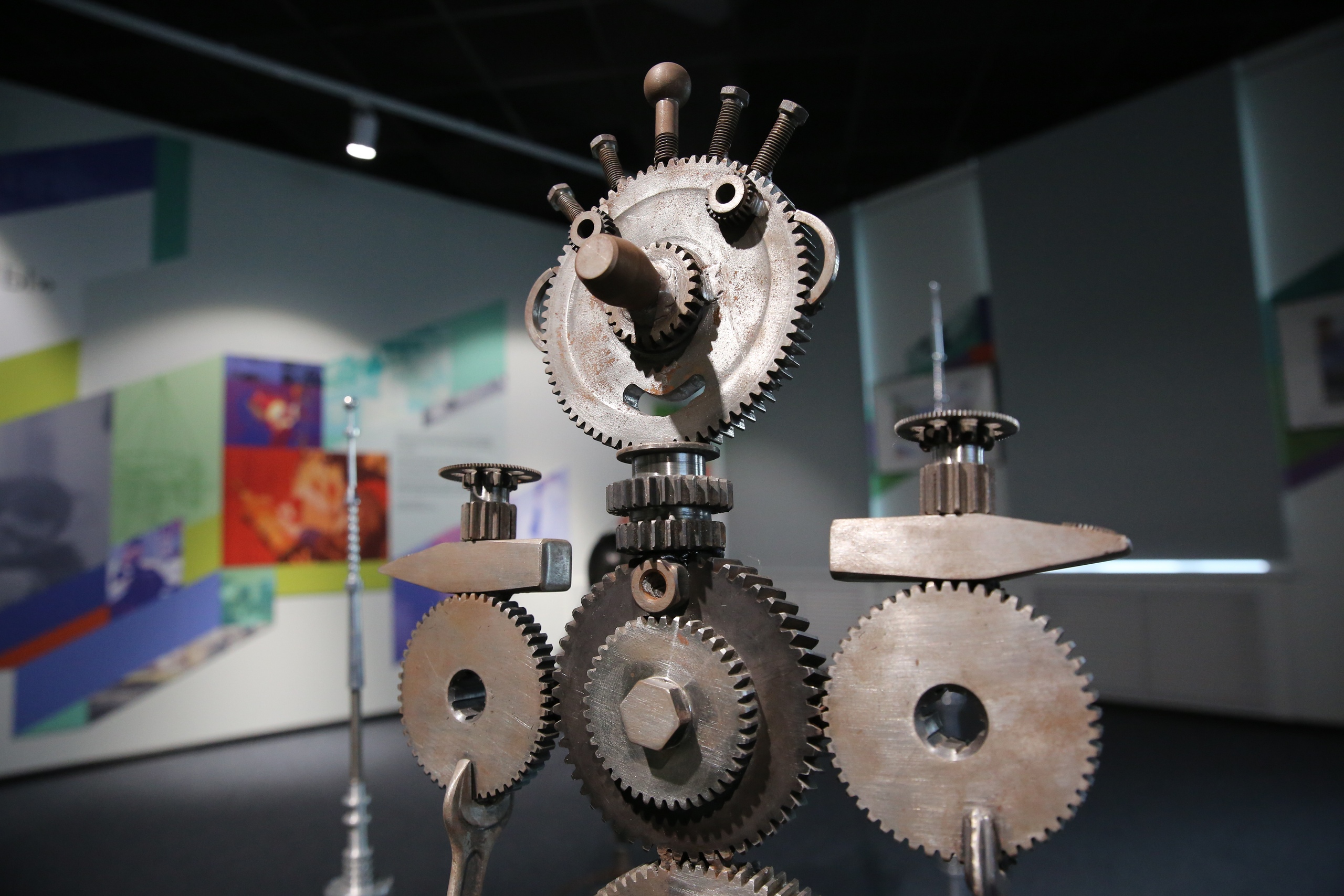
“All professions are important, all professions are needed” - these words of Mayakovsky best reflect the essence of the museum.
Main sections of the exhibition:
Vocational education in the Russian Empire
The system of vocational education in the USSR
Blockade of Leningrad, vocational education during the Great Patriotic War
The system of vocational education of the Russian Federation
"Young professionals (WorldSkills Russia)", the "Abilympics" movement, World Skills Juniors
Dual education
Each hall of the museum widely presents modern communication technologies, interactive panels, tablets, sound boxes, digital showcases. Multimedia equipment makes it possible to "revive" objects, view documents, and provide more detailed information about exhibits in an interactive form.
The digital showcases are especially interesting from the point of view of the achievements of modern museum equipment. There are 9 of them in the museum, and each contains one or more tools, the demonstration of which is accompanied by the display of information about the history of their use, constituent elements, and features of use.
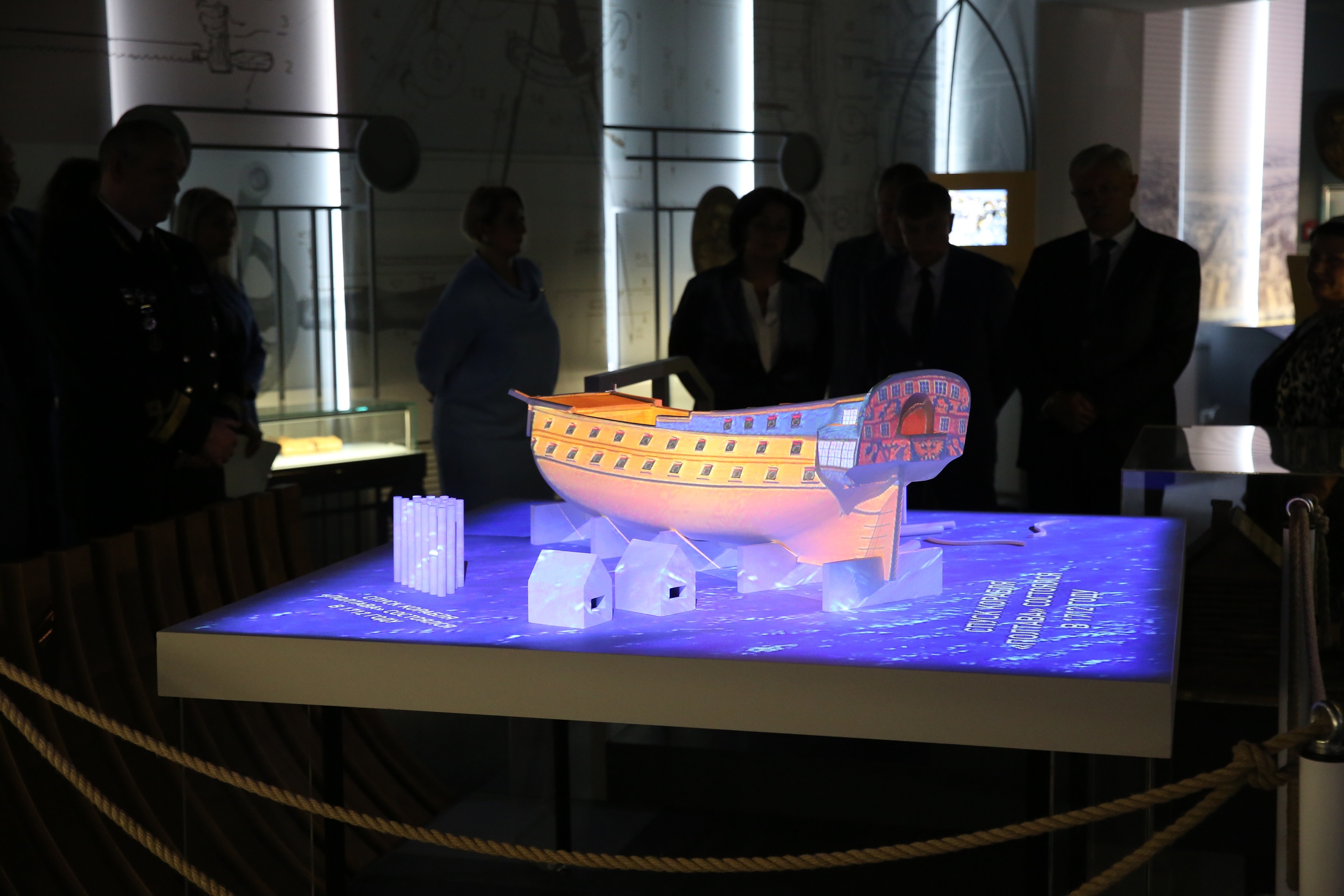
The museum is equipped with two 3D mapping models (video mapping is a high-tech process of creating and projecting 3D images onto relief objects): this is the step-by-step construction and launching of the ship "Poltava" and the production and repair of the KV-1 tank at the Leningrad Metal Plant during the Great Patriotic War.
In modern halls, interactive panels present regulatory documents, a database of employers for graduates of vocational education, interviews with the winners of the WorldSkills and Abilympics championships.
The museum conducts excursion activities for students of educational institutions of St. Petersburg, this is not only a historical retrospective of the development of the vocational education system, but also interactive programs for professional self-determination for a variety of ages, thematic excursions.
