Back
Back 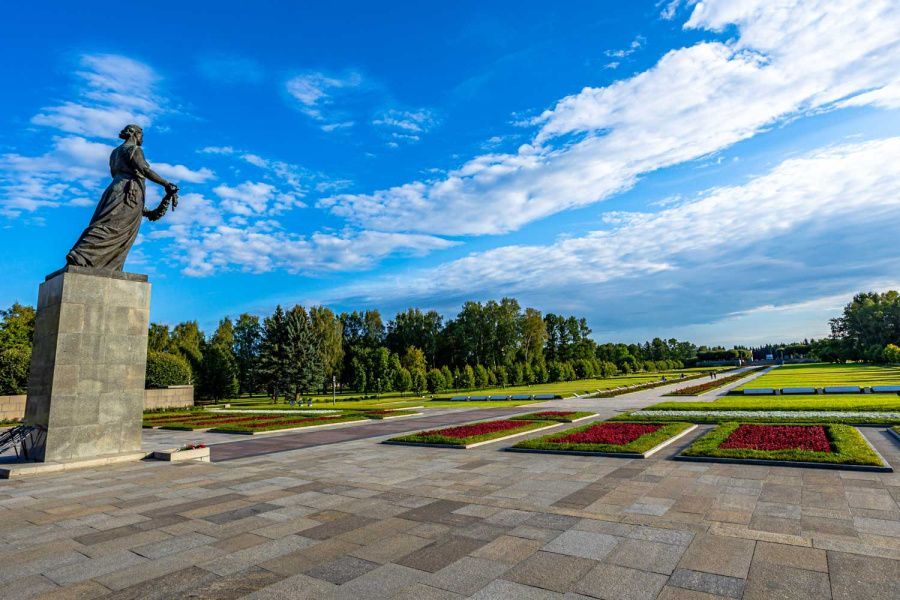

Route No. 3 | The story of the feat of Leningrad

Almost a faithful recreation of Historical Route No. 3 - This route tells the story of the feat of Leningrad, its residents, and defenders during the Great Patriotic War — a testament to their heroism. It is a journey into a heroic past, where every step reveals a living history.
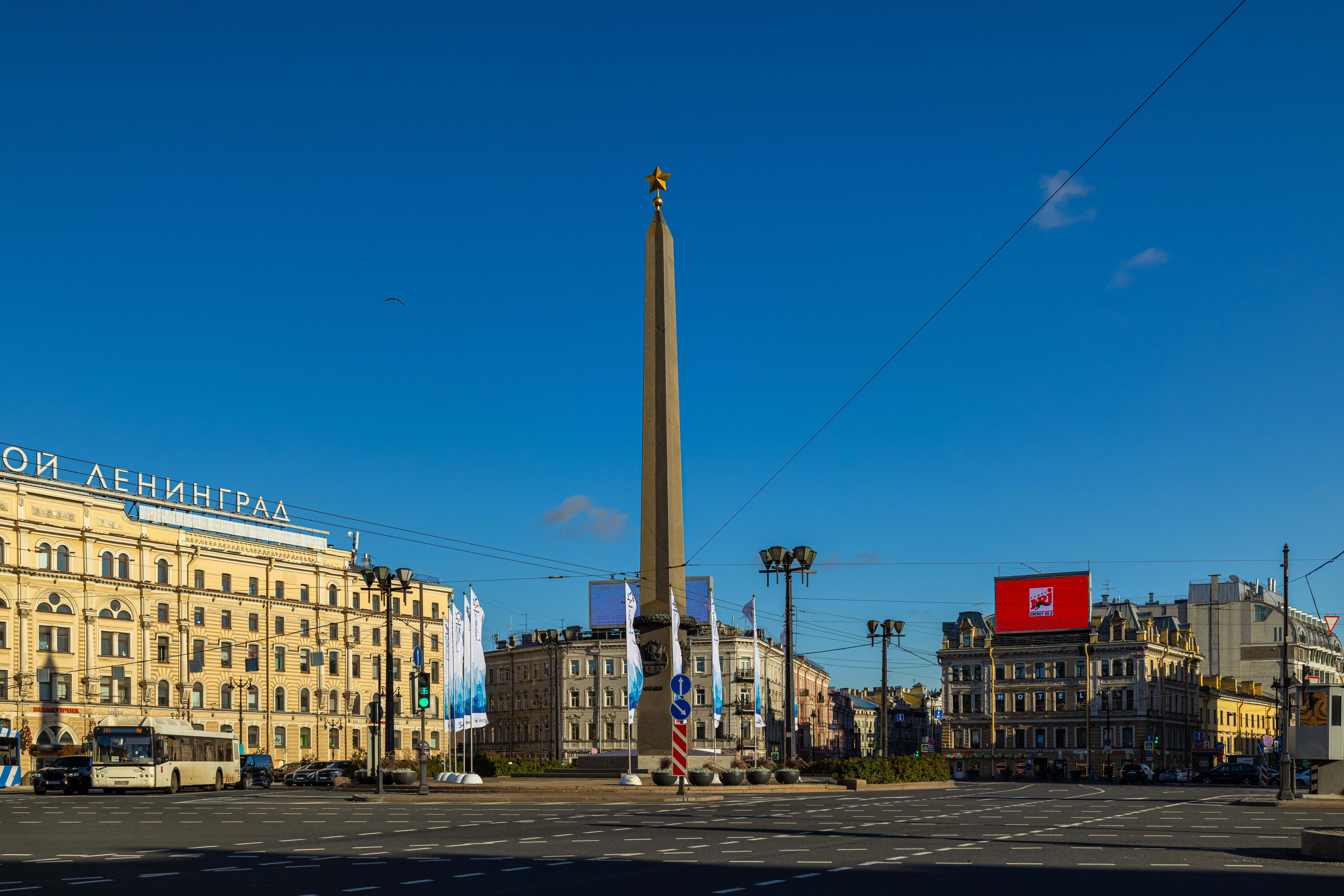
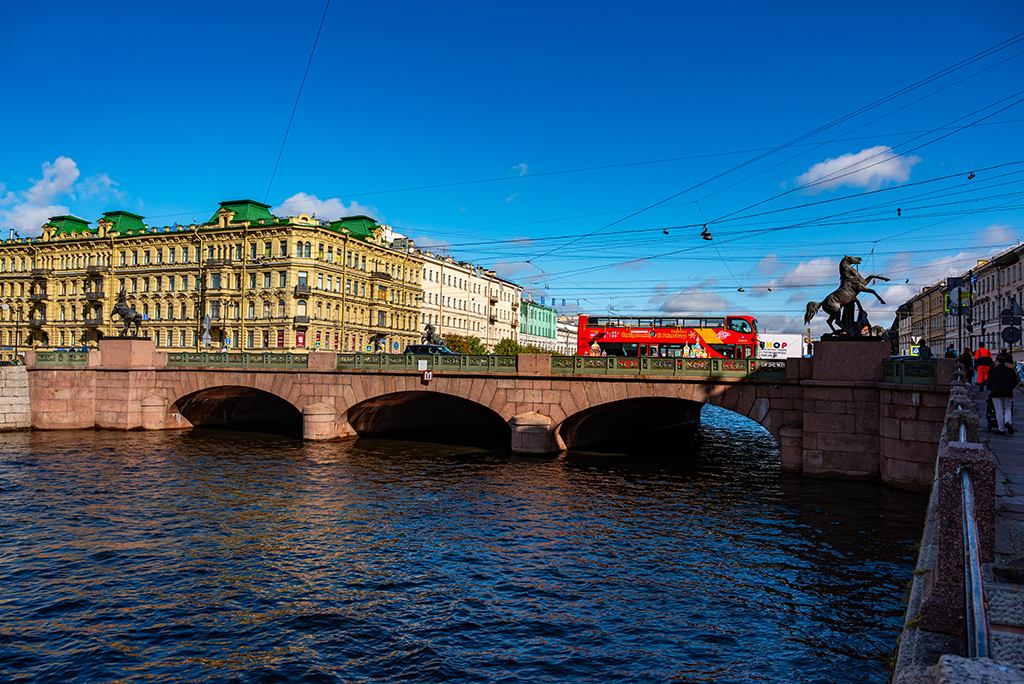
Ploshchad Vosstaniya. Here, at the place where the roads from the front converged, an obelisk was erected in 1985 — a symbol of the resilience and heroism of the city’s residents. It serves as a reminder of those who fought for Leningrad. During the blockade years, this square remained one of the key transport hubs for evacuation and city supply routes.Anichkov Bridge, which survived heavy shelling, still bears the traces of shrapnel on its sculptures.
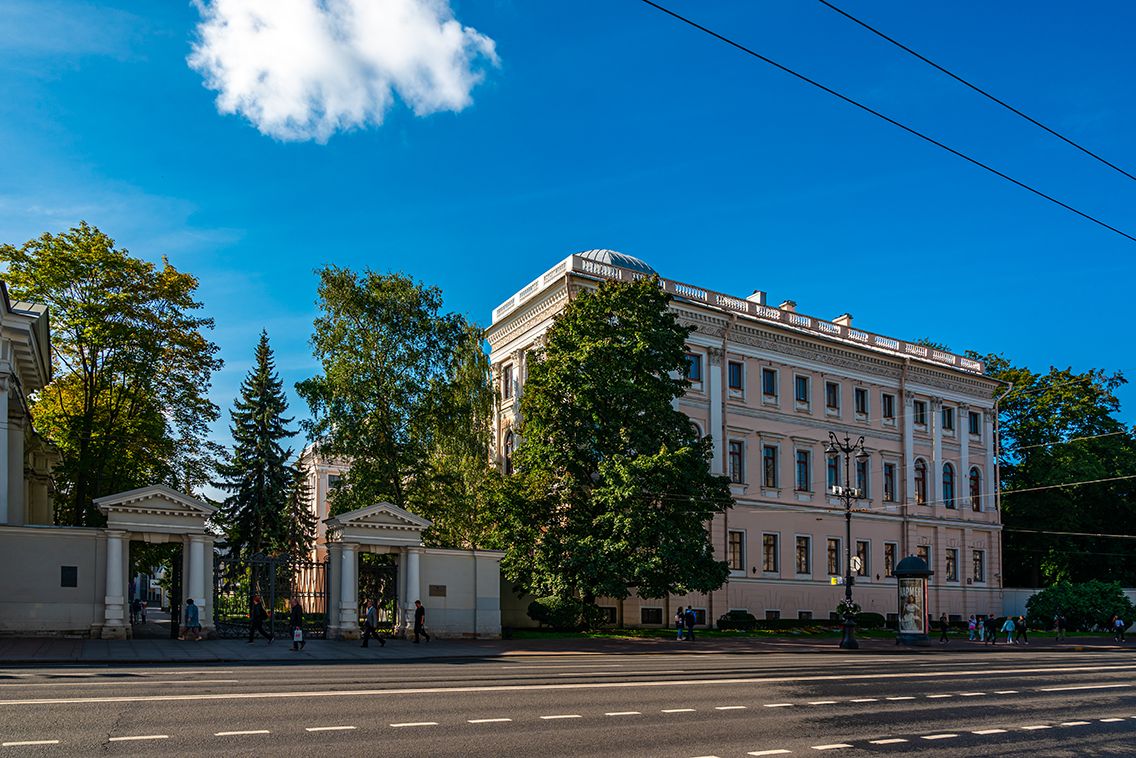
Anichkov Palaceformerly the Zhdanov Palace of Pioneers. During the siege, it housed a hospital and a school, and in 1942, despite all hardships, a graduation ball for 10th-grade students was held there.
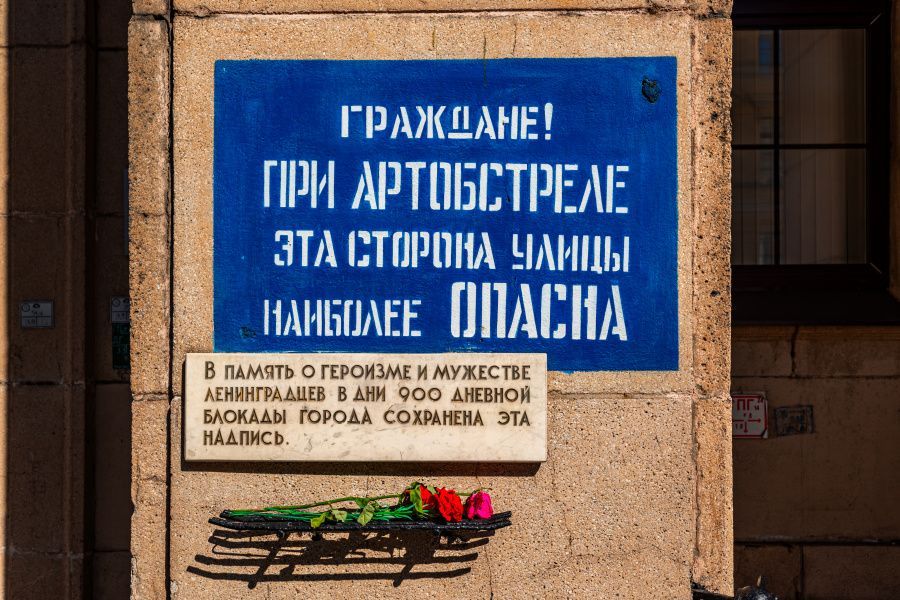
Following along Nevsky Prospect, stop by House No. 14, which bears a memorial plaque reading: «Citizens! During artillery shelling, this side of the street is the most dangerous!» — a stern reminder of the harsh realities of the blockade.
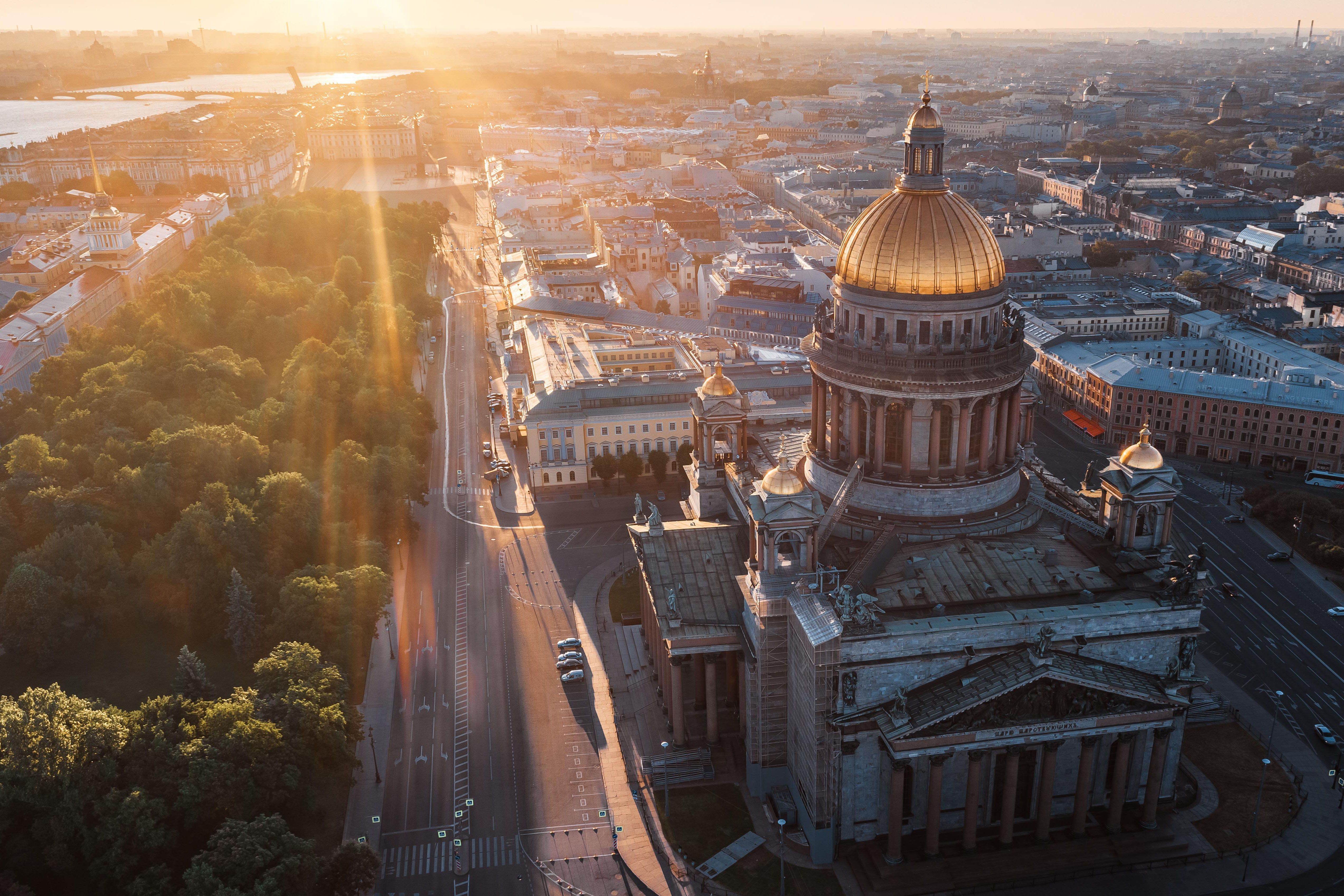
In the basements of St. Isaac’s Cathedral, museum exhibits were kept safe. Examine the cathedral’s columns — some still bear traces of shell impacts. The cathedral itself suffered little damage; only once was its western corner struck by a shell.
Take a look at the Vavilov All-Union Institute of Plant Industry. Even during the siege, despite famine, its staff preserved a unique seed collection — one of the largest in the world up to this day.
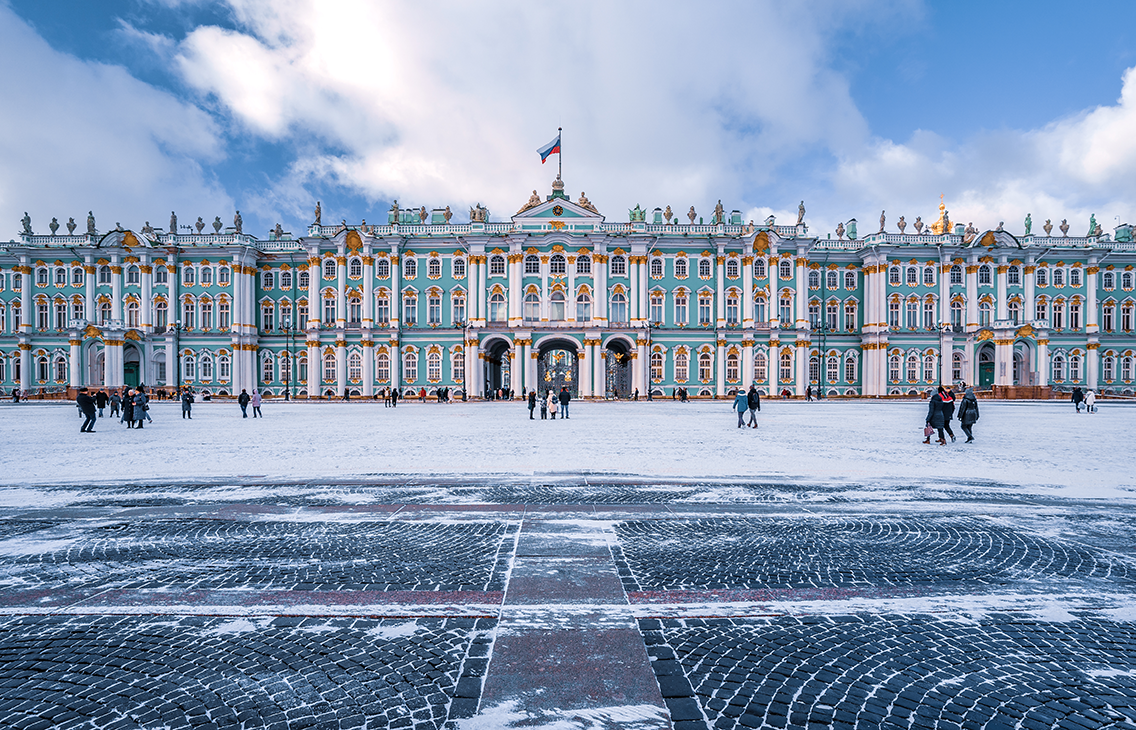
The State Hermitage Museum not only survived the war but became a sanctuary for the city’s cultural heritage. Its employees fought to preserve history — evacuating priceless treasures, and hiding those that remained beneath layers of sand and wooden boards.
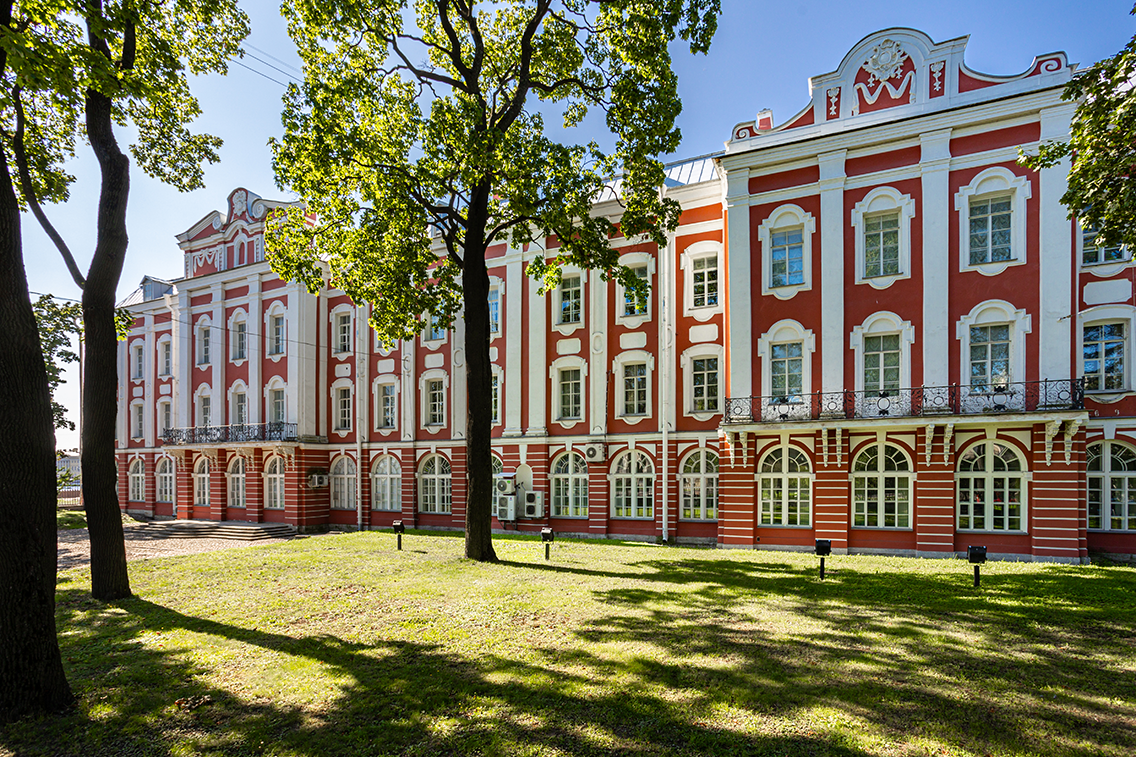
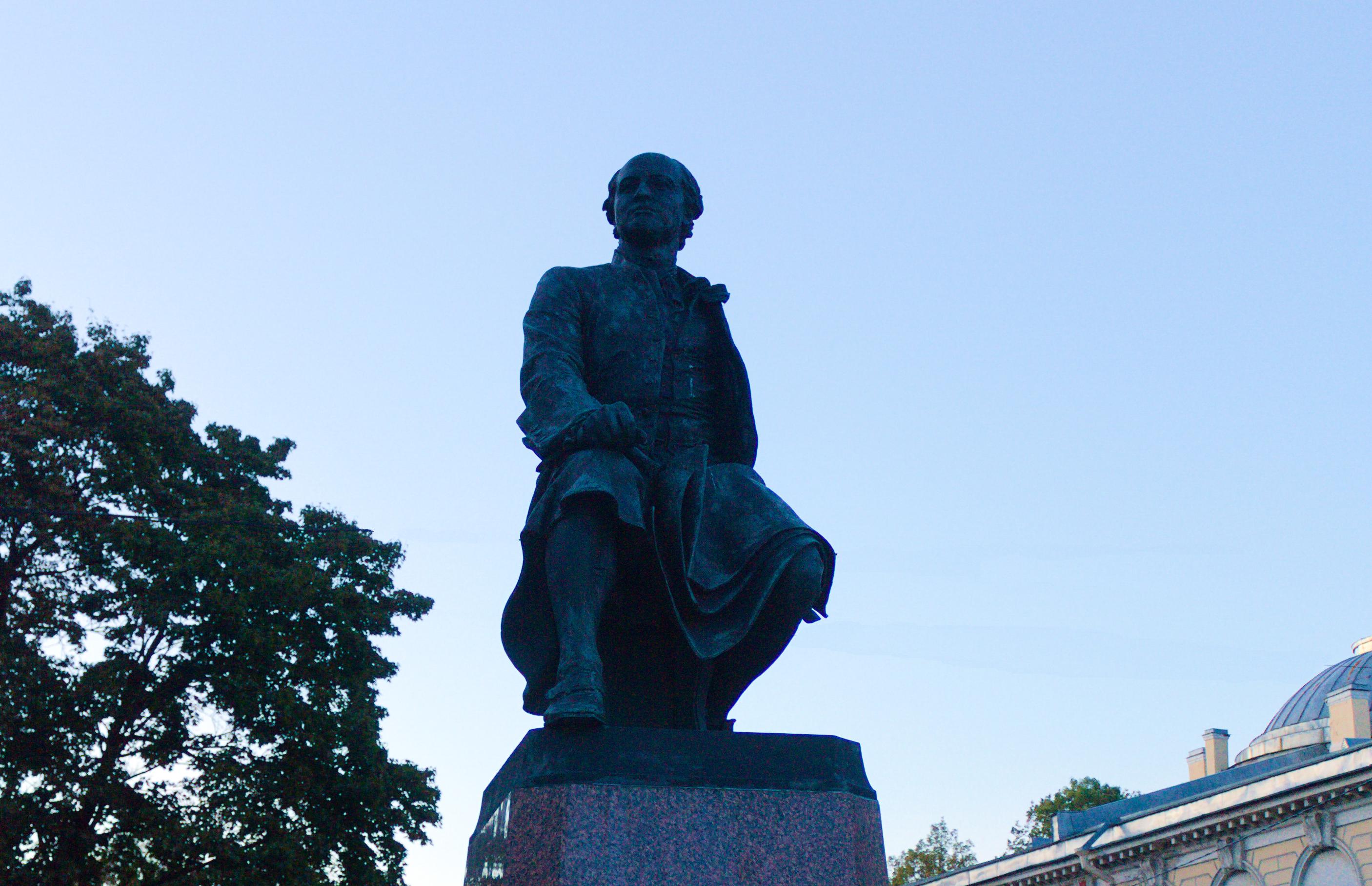
Universitetskaya Embankment stands as a silent witness to the siege years. Within the walls of St. Petersburg University, lectures continued despite bombings and hunger — a testament to the city’s dedication to science and education. The Monument to Lomonosov symbolized the endurance of intellect and spirit.
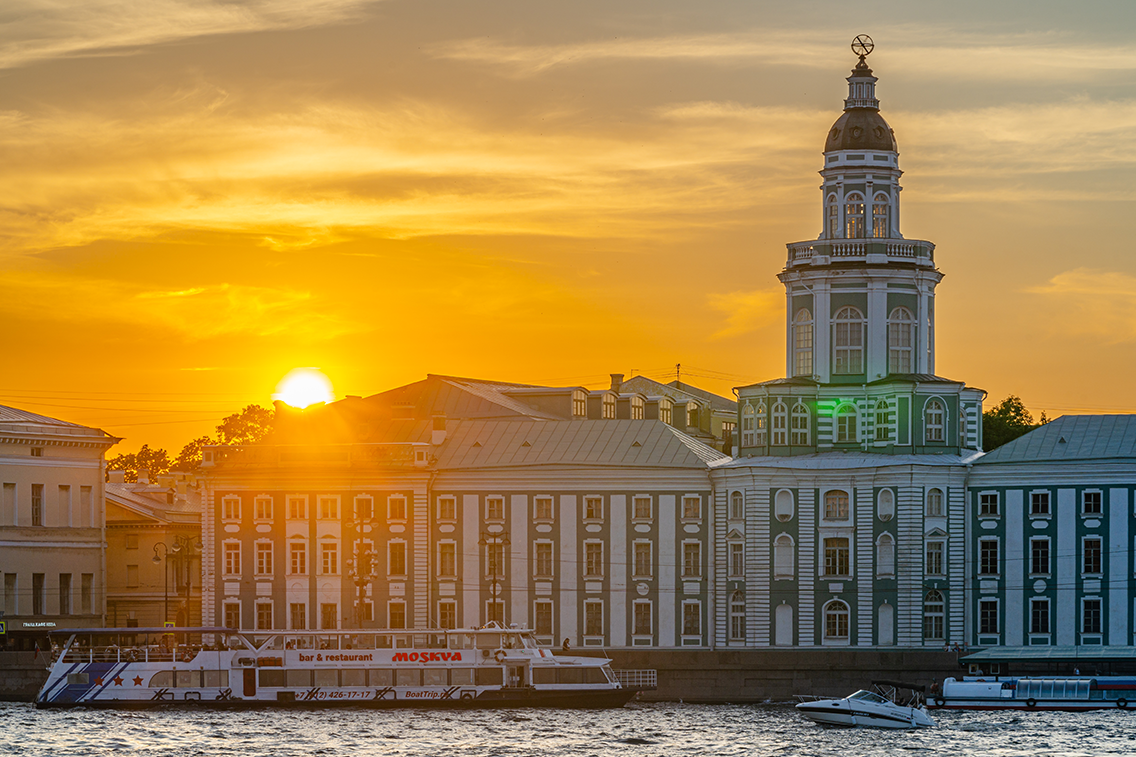
The Kunstkammer, Russia’s first museum, endured severe trials during the siege. Its collections were protected from destruction, and staff safeguarded exhibits as symbols of the nation’s cultural legacy, even at great personal risk.
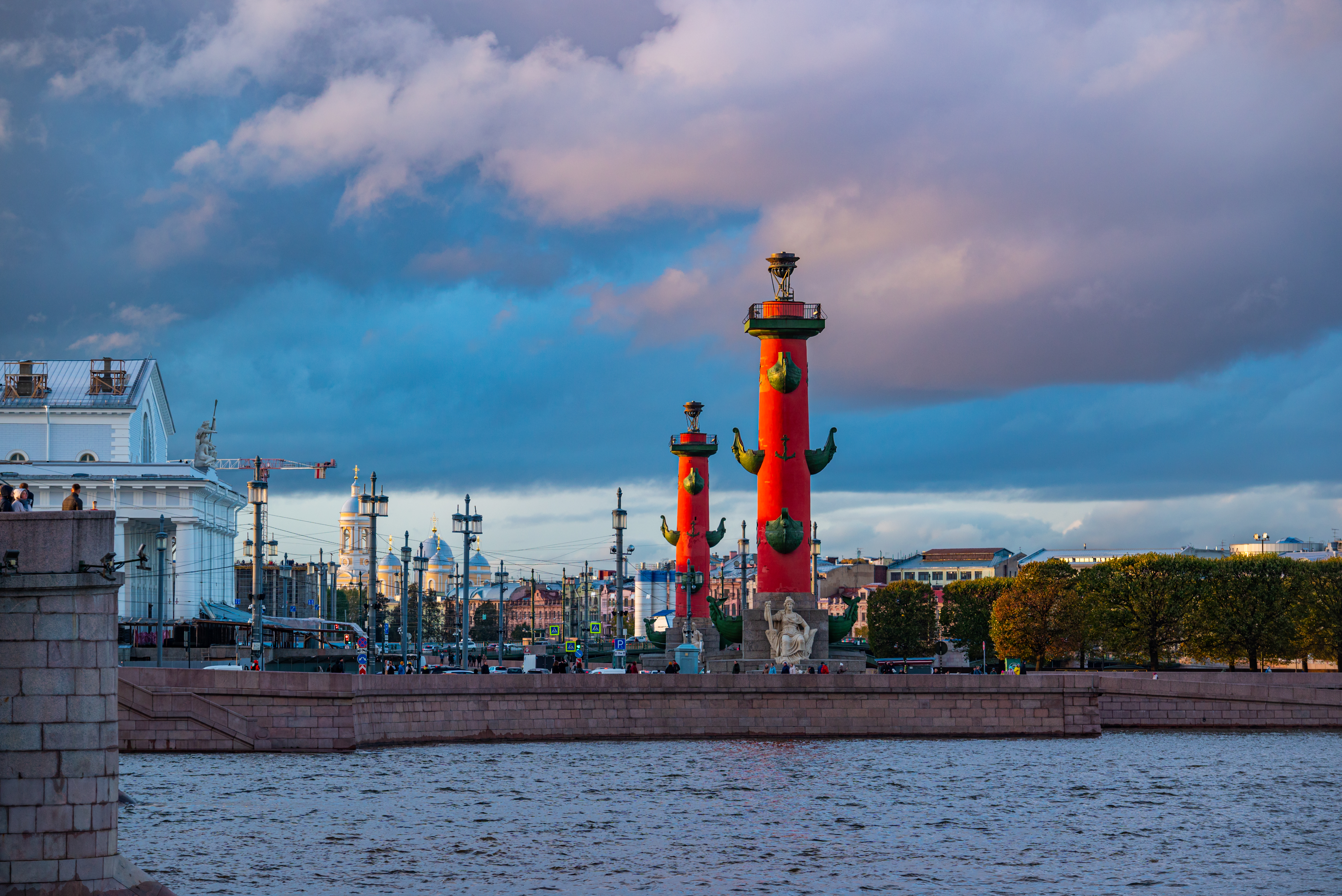
At the Spit of Vasilyevsky Island, the spirit of besieged Leningrad is felt especially vividly. During the war, the Rostral Columns and the Kunstkammer formed part of the city’s defense system: the area was used as an observation point, with machine-gun nests on rooftops and warehouses nearby serving as supply depots.

The Cruiser Aurora became a defensive outpost during the blockade — its artillery helped protect the city from the river.
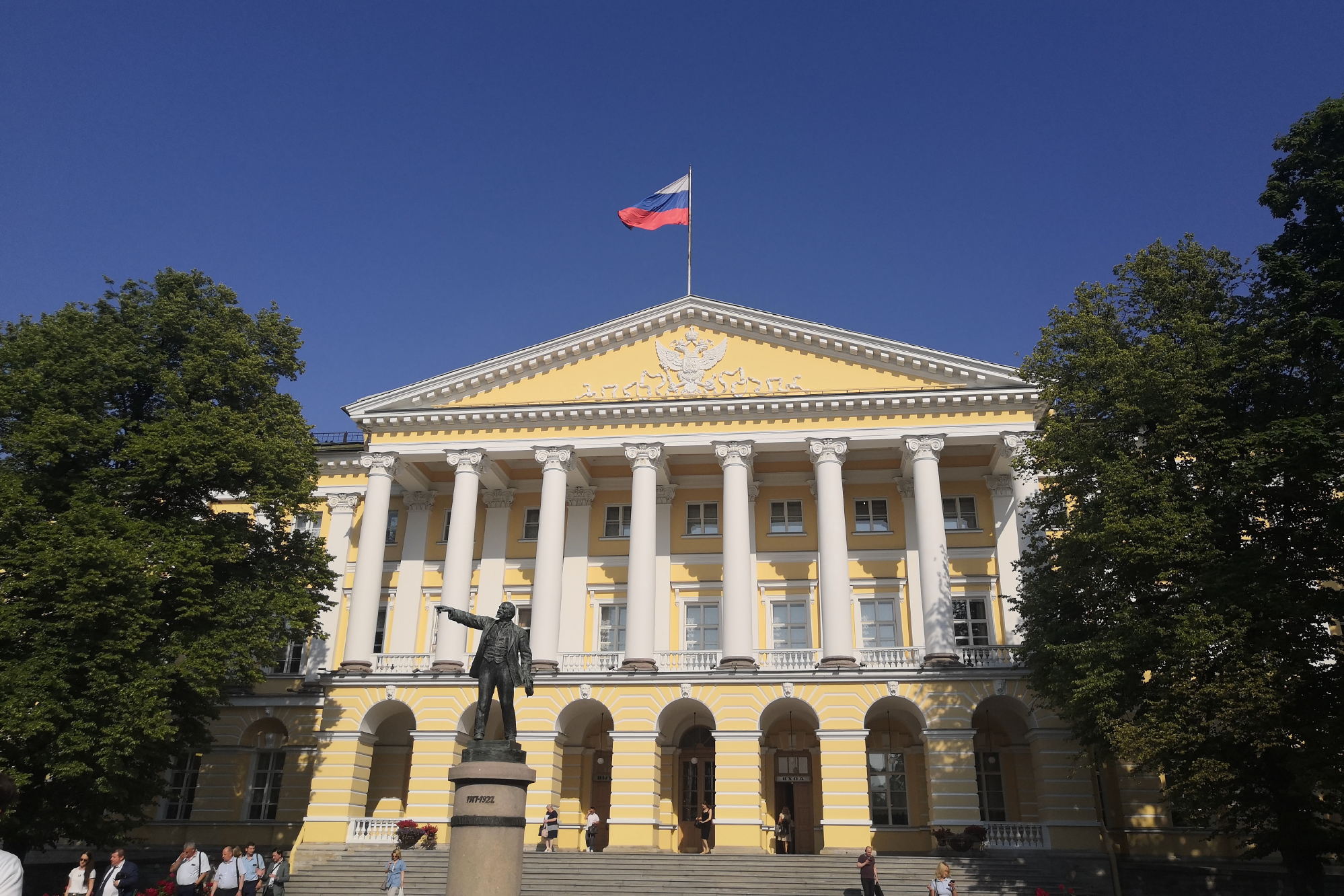
Smolny — one of the key sites in Leningrad’s history. During the war, it served as the headquarters for the city’s defense command, where crucial strategic decisions were made.
The Smolny Institute, known since the times of Catherine II, was used during the war to house military offices and coordinate operations.
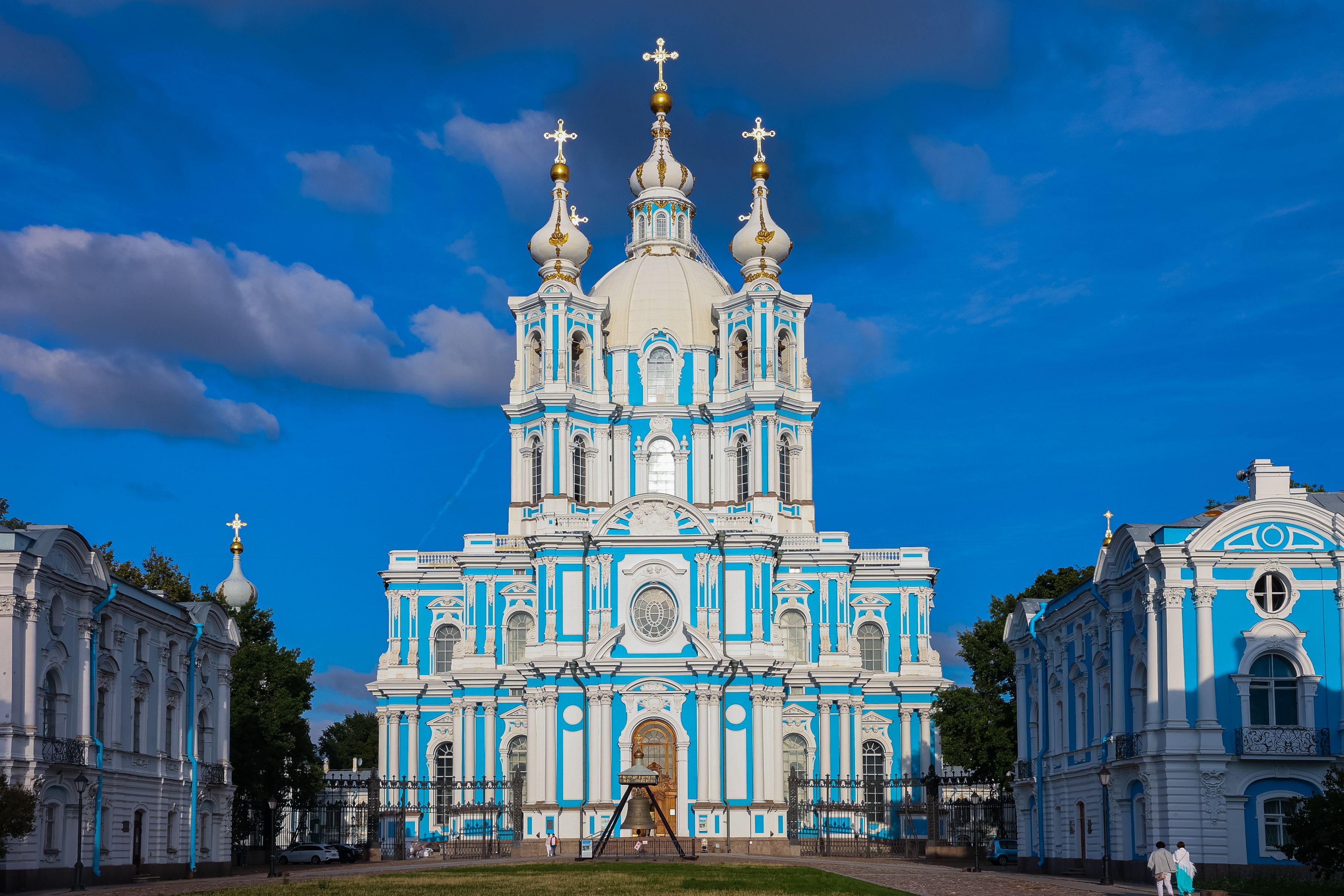
The Smolny Cathedral, though damaged by shelling, withstood the war. Its domes were camouflaged to avoid serving as landmarks for enemy aircraft.
At Proletarskaya Dictatura Square, people regularly gathered to share news and listen to military reports.
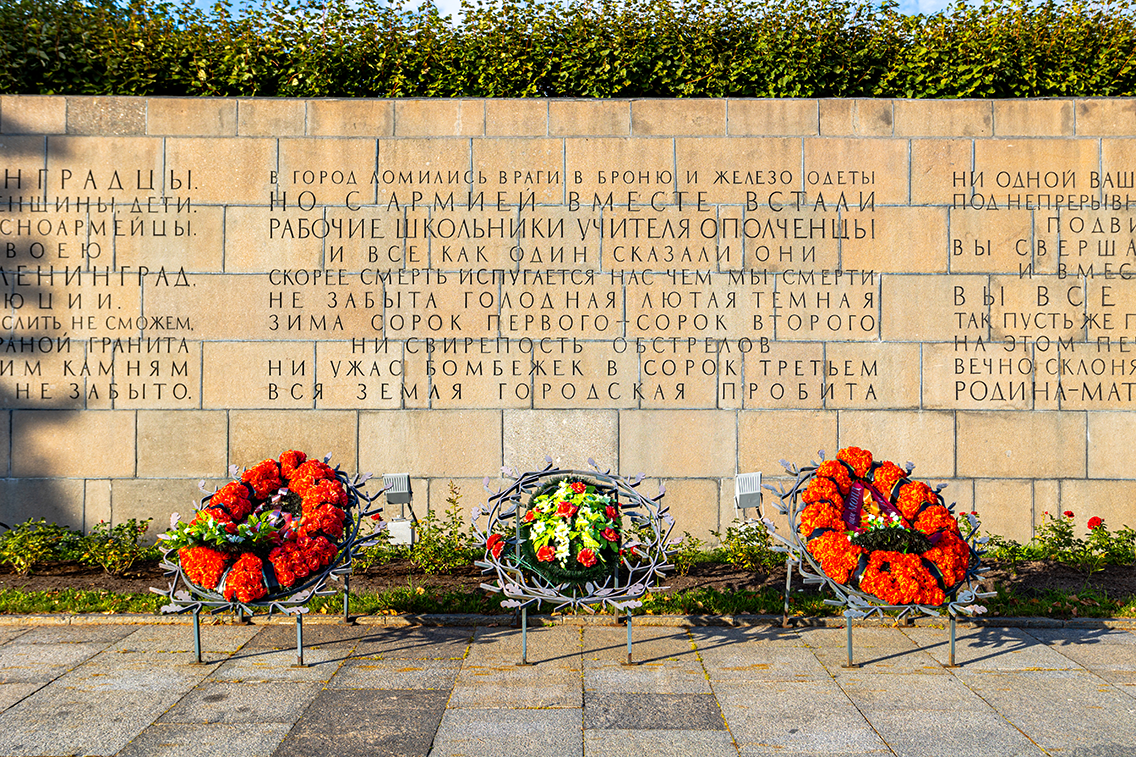
The silence of the Piskaryovskoye Memorial Cemetery speaks louder than words. Its central alley, 186 mass graves, and the Motherland Monument commemorate more than 500,000 victims of the siege.

Attractions included in the route