Back
Back 
 on foot
Vasilievsky. Island of Memory and Glory
 4,9 км. km.
 1 hour 30 minutes
-
The House of Vadim Shefner
Vadim Shefner (1915–2002) was a Leningrad poet and writer, a frontline correspondent for the «Znamya Pobedy» («Banner of Victory») newspaper of the Leningrad Front. He defended Leningrad, first as an ordinary soldier, and later as a war correspondent. Senior Lieutenant, he was awarded combat orders and medals, and took special pride in his medal «For the Defense of Leningrad».
«And we, who knew both fire and hunger,
Are unconquerable in our city still.
No hunger, steel, or fire will ever
Break the city’s gates against our will.
It stands, a guard upon the somber bay,
Its spires piercing through the fiery dawn.
There are richer, happier towns, they say—
But none more beautiful than our own.
It shall prevail! Its wounds will heal again,
And ships will sail once more into its port...
Beyond the city, trenches line the plain—
Foundations for the buildings of its future fort».
Address: 6th Line of Vasilievsky Island, 17.
Library No. 2 named after L. N. Tolstoy — one of the 22 libraries that continued to operate during the Siege of Leningrad. Despite hunger, shelling, and bombardments, Leningrad’s libraries remained open throughout the siege.-
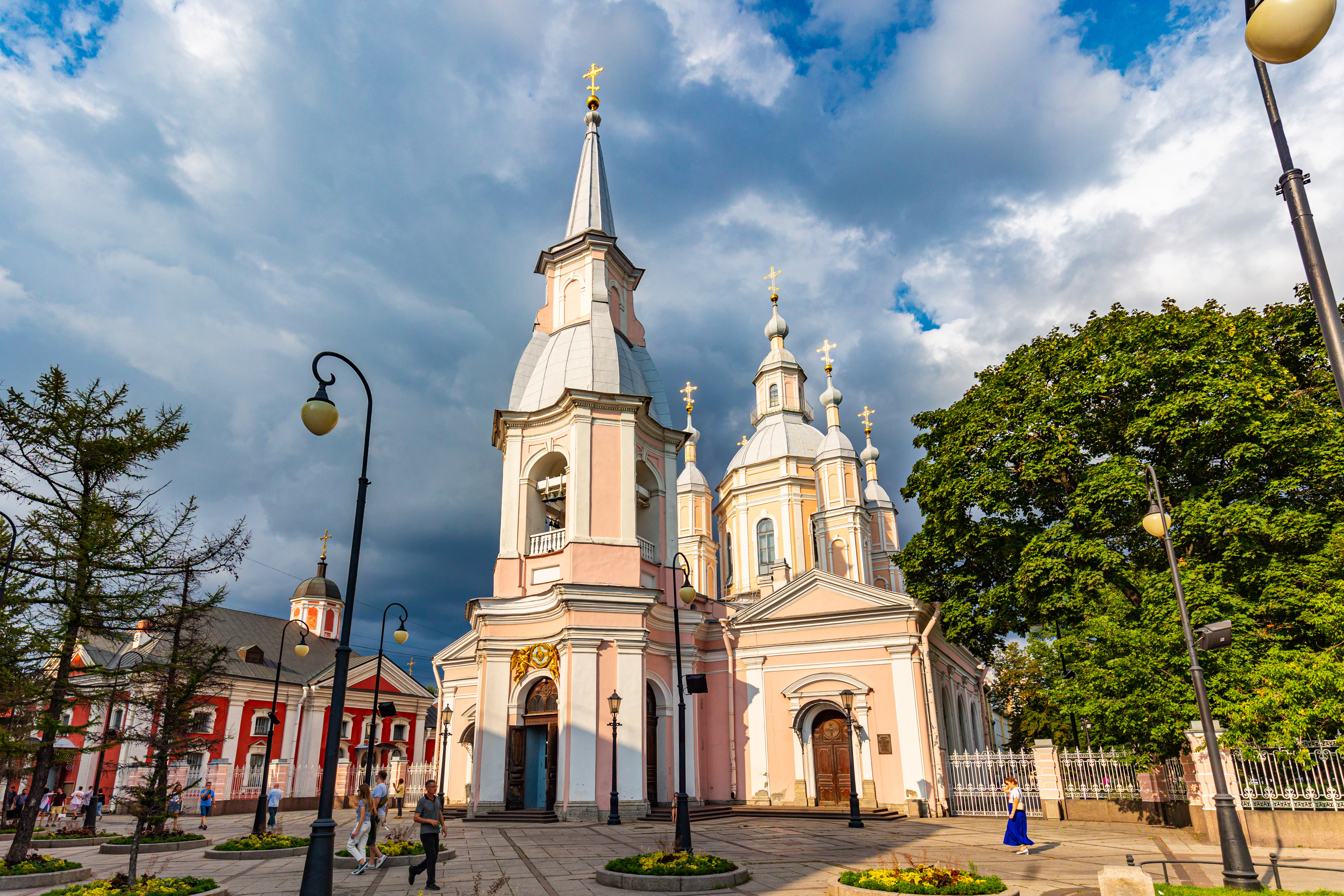
St. Andrew’s Cathedral
Address: 6th Line of Vasilievsky Island, 11A
-
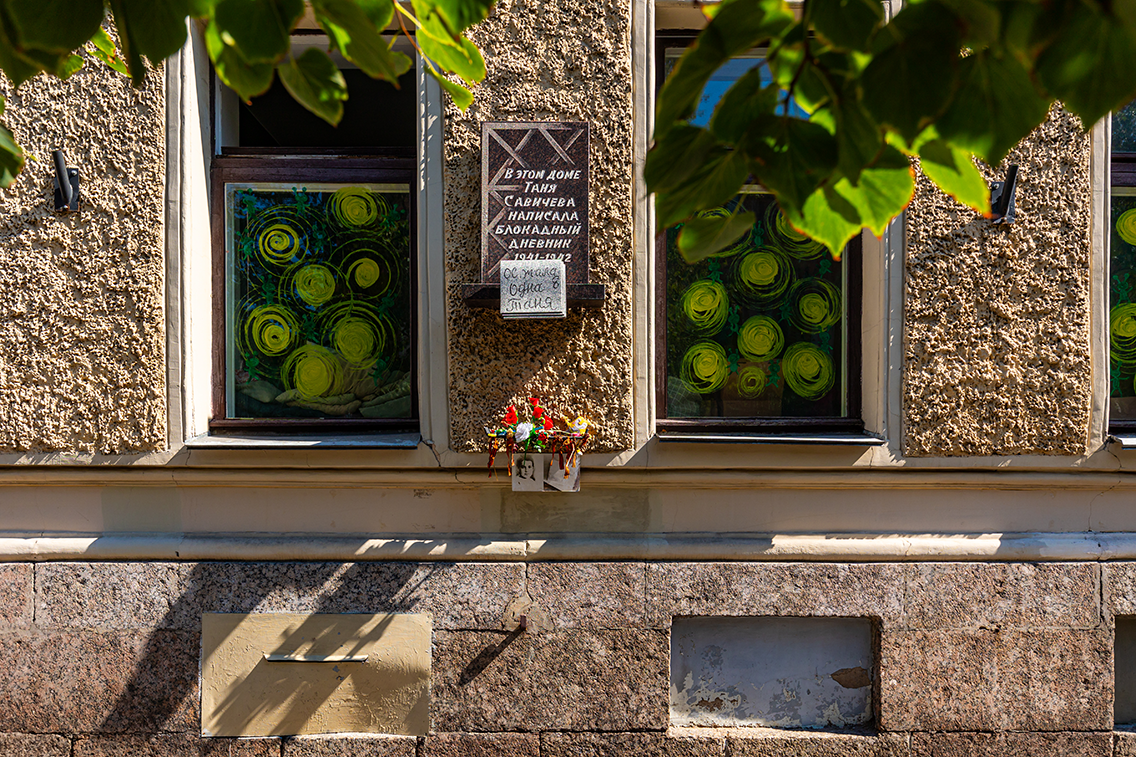
Memorial Plaque to Tanya Savicheva
When the war began, the Savichev family lived in Leningrad. Every family member contributed to the city’s and the front’s defense effort. One by one, they died of hunger, exhaustion, and unbearable living conditions during the siege. The tragic fate of the family is recorded in the diary of the youngest Savicheva — Tanya.
Her final diary entries read: «Savichevs have died», «Everyone died», «Only Tanya is left».
In August 1942, Tanya was evacuated with other children from besieged Leningrad. She was already ill with tuberculosis and died in 1944 at the age of 14.
The memory of Tanya Savicheva is preserved on memorial plaques mounted on the first floor of House No. 13, 2nd Line of Vasilievsky Island, where the family lived during the siege. Today, Tanya’s diary — one of the enduring symbols of the siege — is kept in the Museum of the History of St. Petersburg.
Address: 2nd Line of Vasilievsky Island, 13
Exhibit: «Children and the Siege» — materials from the collections of the Boris Yeltsin Presidential Library.
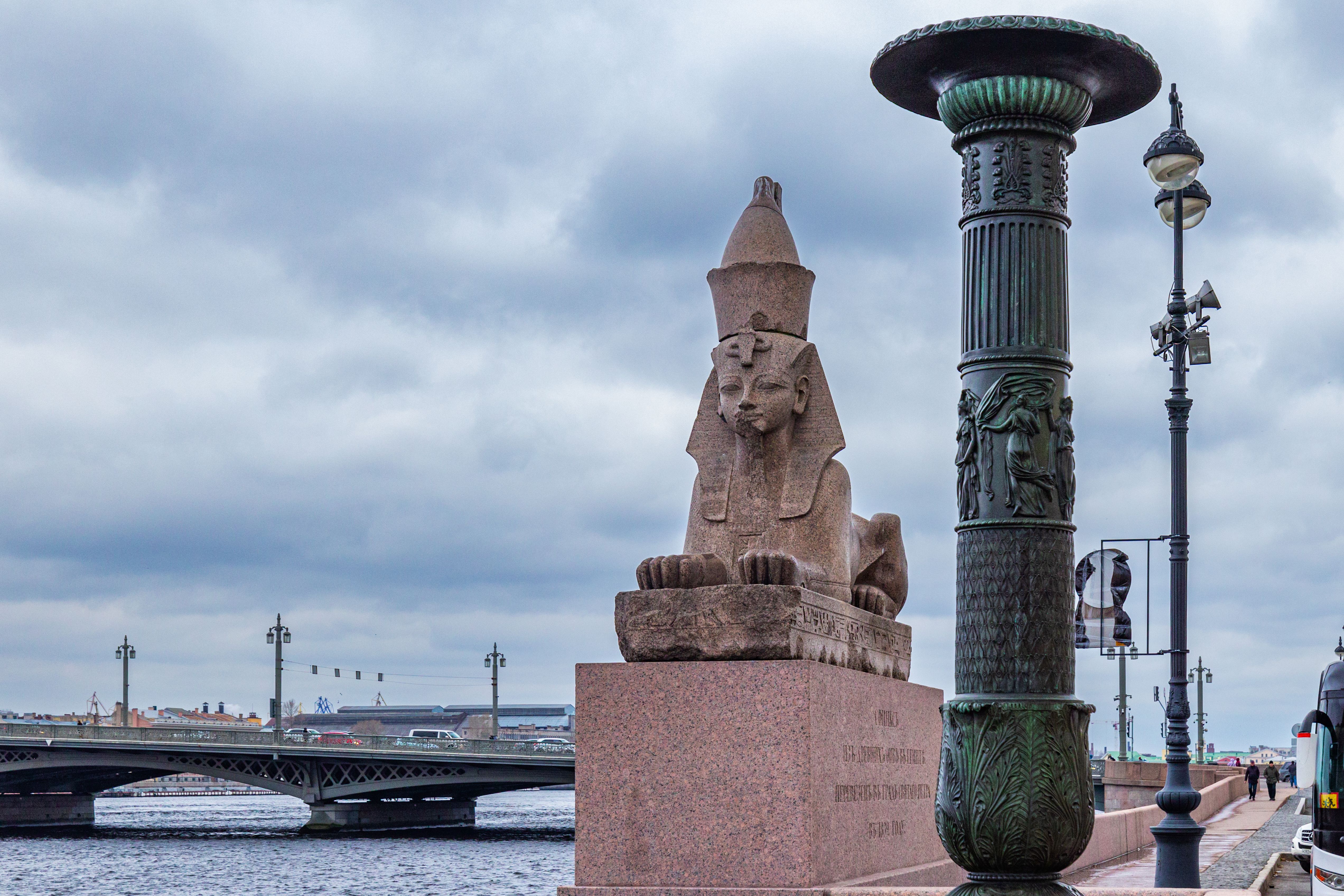
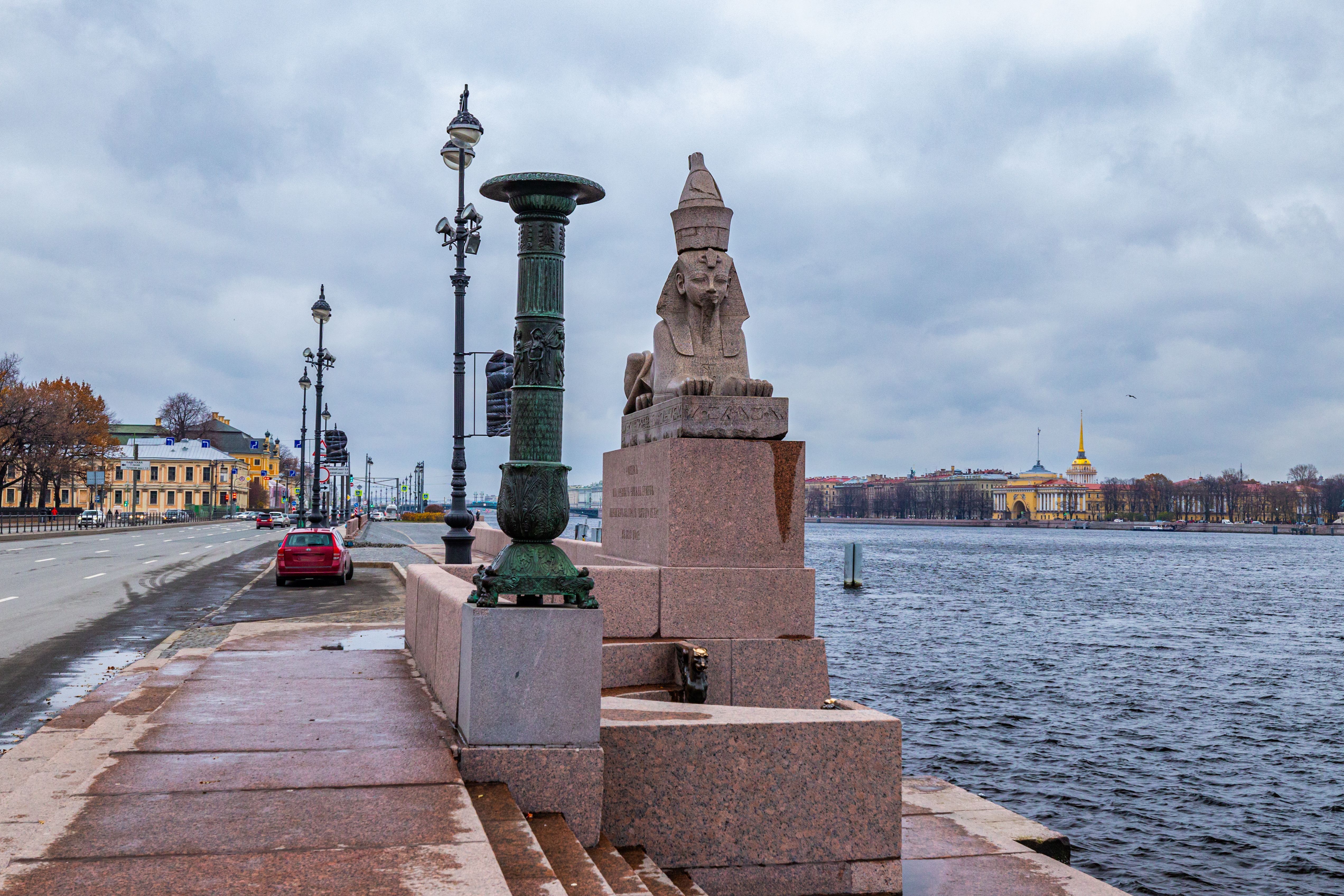
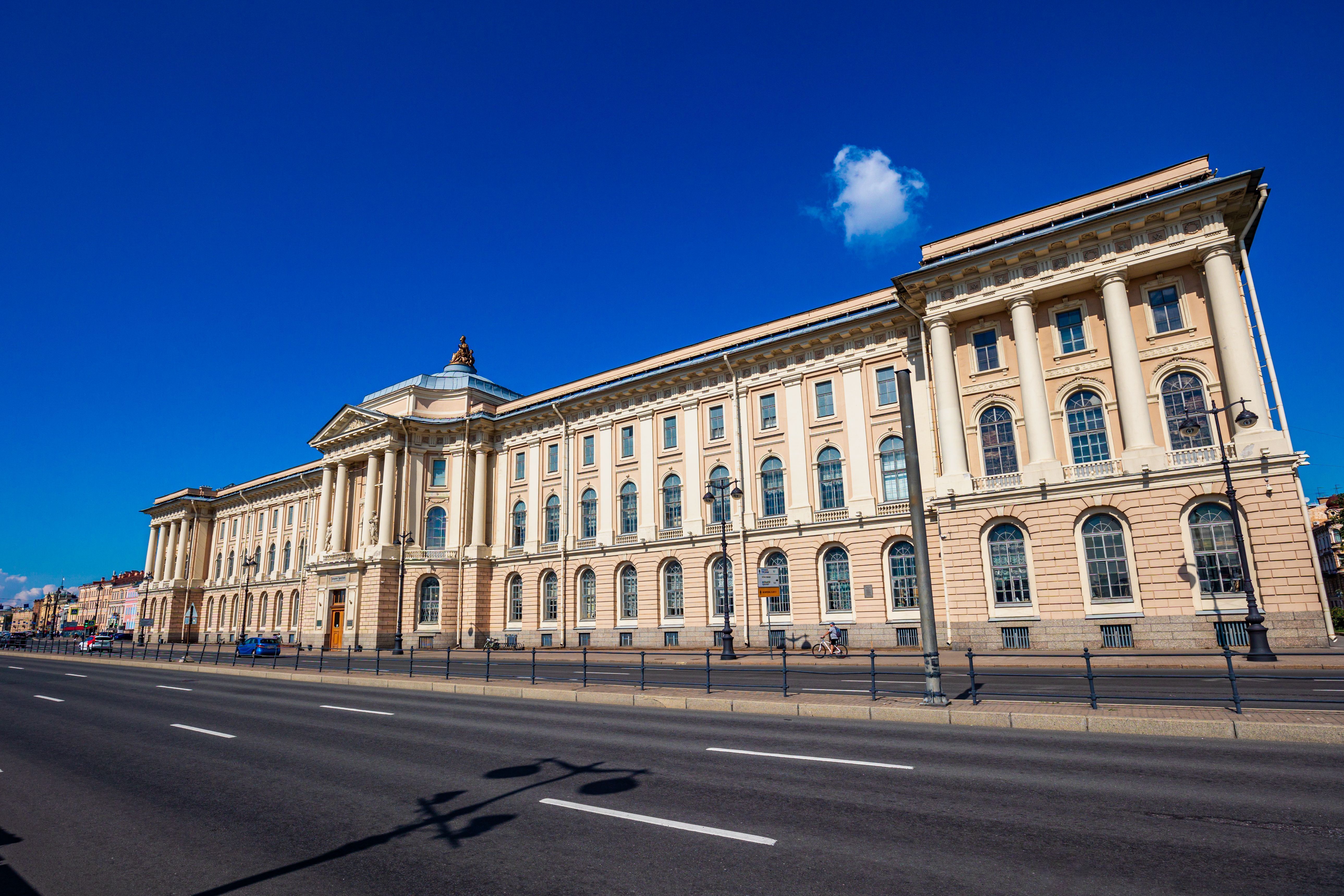
- Academy of Arts and the Sphinxes
With the outbreak of the Great Patriotic War, the young artists and students of the Academy of Arts joined their professors in digging trenches and building defensive fortifications around Leningrad. Many students and postgraduates volunteered for the front, joining people’s militia divisions and partisan units.
In 1968 marble memorial plaques were installed in the first-floor hall in memory of students, postgraduates, professors, and staff of the Academy who fell in the war. The plaques bear the names of 114 people.
Address: Universitetskaya Embankment, 17
Exhibit: «Artists in the Great Patriotic War» — materials from the Boris Yeltsin Presidential Library.
- Repin Street
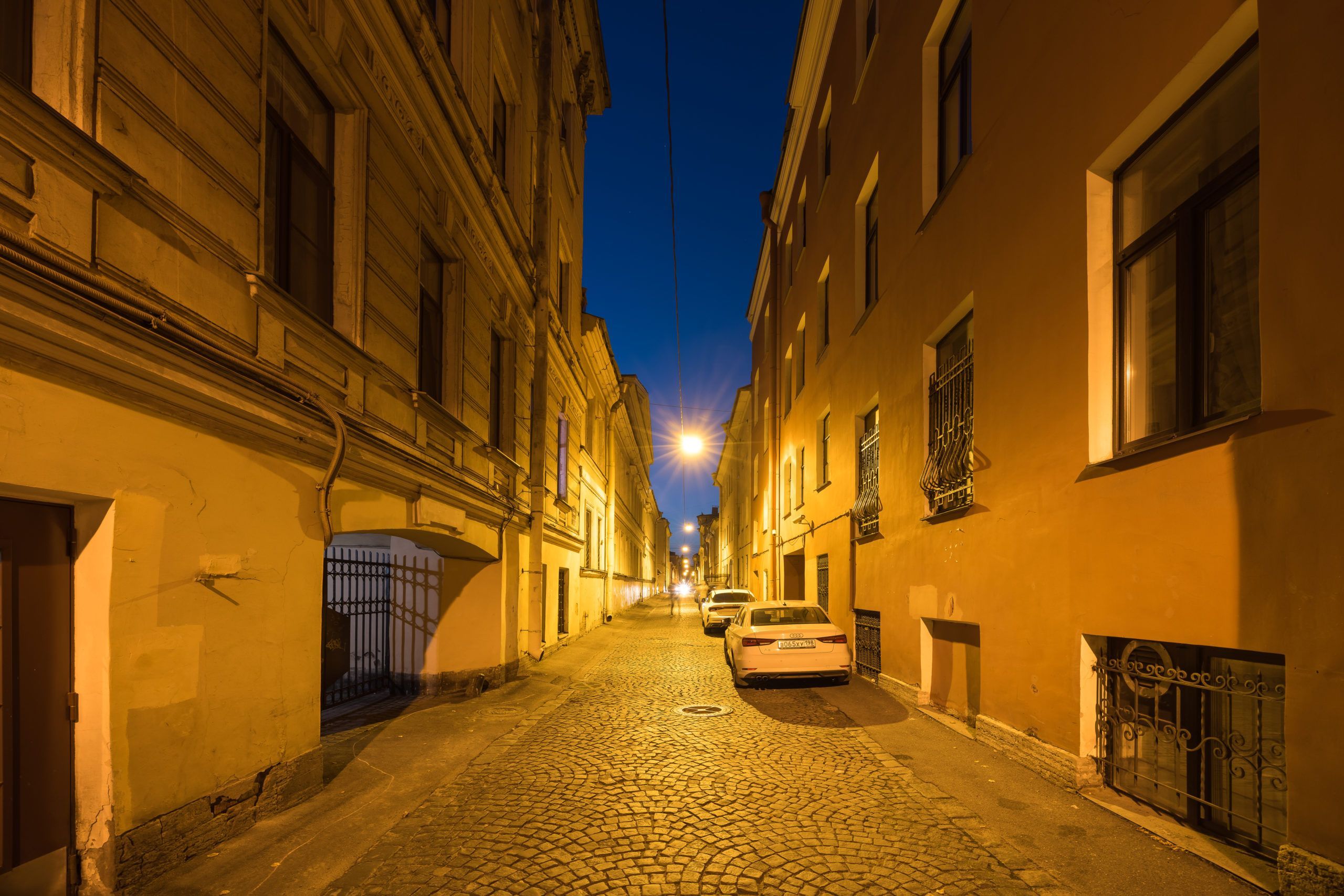
Repin Street is the narrowest street in St. Petersburg, only 5.6 meters wide, located between the 1st and 2nd Lines of Vasilievsky Island.
Until 1952 it was called Solovyovsky Lane, after the gold miner and philanthropist S. F. Solovyov, who financed the creation of the Solovyovsky Garden adjacent to the street. Historically, the lane served mainly for delivering firewood — a «back entrance» to the noble houses.
During the Siege of Leningrad, the street became one of sorrow. In the winter of 1941–1942, the bodies of citizens were brought here from the city center. The dead were laid directly on the cobblestones. Coffins — about 350 of which had been produced monthly before the war — became a rarity.
Several houses on both sides of the street were used for these tragic purposes, as confirmed by documents from the City Utilities Administration for 1941–1942. Today, there are peaceful residential buildings here, and people walk along the old cobblestone street — the same stones that once bore the sleds of the first blockade winter.
- Memorial Plaques — Naval Corps. Prominent Soviet Admirals
Many heroes of the Great Patriotic War and of the Defense of Leningrad graduated from the renowned Naval Corps:
N. G. Kuznetsov (1904–1974) — People’s Commissar of the Navy, Commander-in-Chief of the Soviet Navy during the war.
V. F. Tributs (1900–1977) — Commander of the Red Banner Baltic Fleet.
Address: Lieutenant Schmidt Embankment, 17
Exhibit: «Feats of Naval School Cadets» — materials from the Boris Yeltsin Presidential Library:
Leningrad Naval School
Higher Naval Red Banner School named after M. V. Frunze.
- Memorial Plaque to the Feat of Baltic Fleet Miners
Later, two mines fell on an airfield, and a group of sappers — Goncharenko, Mironov, and Tepin — defused them after studying their mechanisms. Soon after, they neutralized a one-ton mine that had fallen onto the roof of a house at the corner of 17th Line of Vasilievsky Island and Lieutenant Schmidt Embankment, preventing a catastrophic explosion.
Based on the data gathered by these heroic sappers, Soviet engineers developed effective trawling and degaussing systems. The men received Orders of the Red Star. In 2010, a memorial plaque was installed in their honor. The plaque reads: «Here, on June 14, 1942, Baltic Fleet sappers Alexander Fyodorovich Goncharenko, Mikhail Yakovlevich Mironov, and Fyodor Ivanovich Tepin carried out a unique operation, defusing a German marine parachute magnetic mine of enormous destructive power».
Address: 17th Line of Vasilievsky Island, 2 / Lieutenant Schmidt Embankment, 35
Exhibit: «Weapons of the Great Patriotic War» — materials from the Boris Yeltsin Presidential Library.
- The Mooring Site of the Cruiser «Kirov»
The cruiser «Kirov» was built at the Baltic Shipyard with the participation of hundreds of Leningrad enterprises as part of the USSR’s large-scale naval construction program. Laid down on September 22, 1935, launched on September 30, 1936, and the Navy flag raised on September 26, 1938.
In terms of its tactical and technical characteristics, artillery, mine, and torpedo armament, speed, power plant, and maneuverability, Kirov became the best ship in its class among the world’s major fleets. Its combat history is closely tied to the city on the Neva.
Many siege survivors remember «Kirov» frozen into the ice near the Hermitage and the Admiralty — draped in camouflage nets, its guns and superstructures painted in wartime disguise. The crew endured bombings, shelling, hunger, and cold alongside the citizens. Saving on their own rations, they helped feed children from an orphanage under the ship’s patronage, provided electricity to Hermitage staff who continued their work, and took part in restoring the city’s water supply.
During the war, «Kirov» conducted 260 combat operations, becoming an integral part of Leningrad’s «fiery shield».
Address: Lieutenant Schmidt Embankment, 43
Exhibits: «Electricity in Blockade Leningrad» and «Hero Ships» — materials from the Boris Yeltsin Presidential Library:
The Red Banner Baltic Fleet in the Great Patriotic War
Combat Actions of the Red Banner Baltic Fleet.
-
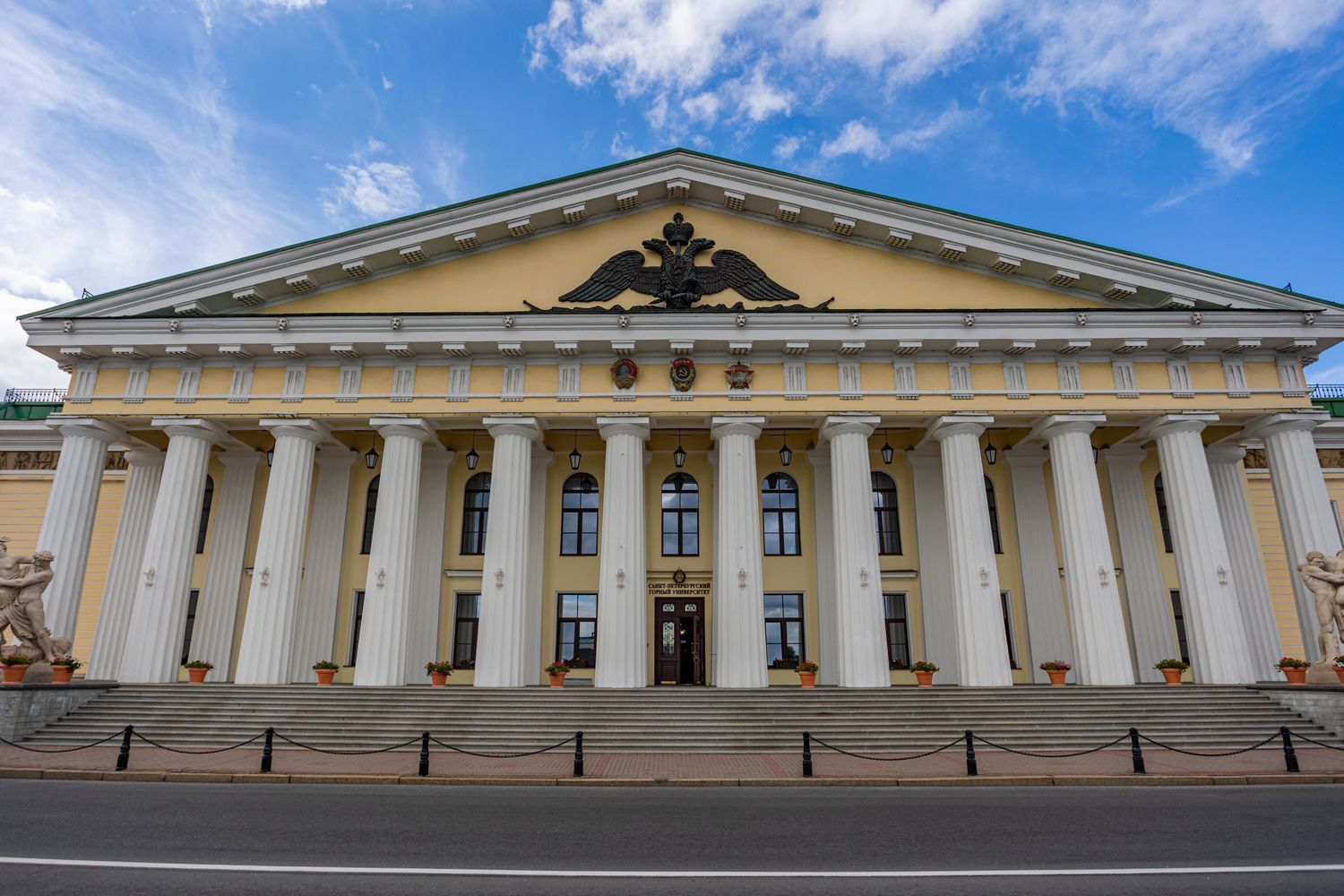
Empress Catherine II Saint Petersburg Mining University
During the war, the Leningrad Mining Institute developed a unique explosive compound whose main component was ordinary Cambrian blue clay. Students and postgraduates served as sappers and demolition engineers; 185 were killed in action, and hundreds more died of hunger.
In May 1976, a memorial was erected in the institute’s courtyard garden in honor of students and teachers who died heroically in battle and during the siege. A tall rectangular stele of forged pink granite bears the words of poet Mikhail Dudin: «Descendant, know the price of your freedom, and learn courage from the brave». Below the inscription is a relief depicting a nurse, a paratrooper, and a militia fighter. The memorial complex also includes busts of miner-partisans V. D. Petrov and P. D. Trusov, and granite slabs containing capsules with soil from Hero Cities.
The monument was created by sculptors R. P. Kurilyak, I. S. Tabachnik, B. S. Chibunin and architects I. I. Fomin and A. I. Pribulsky.
Address: 21st Line of Vasilievsky Island, 2
Exhibit: «Feats of Students and Professors» — materials from the Boris Yeltsin Presidential Library.
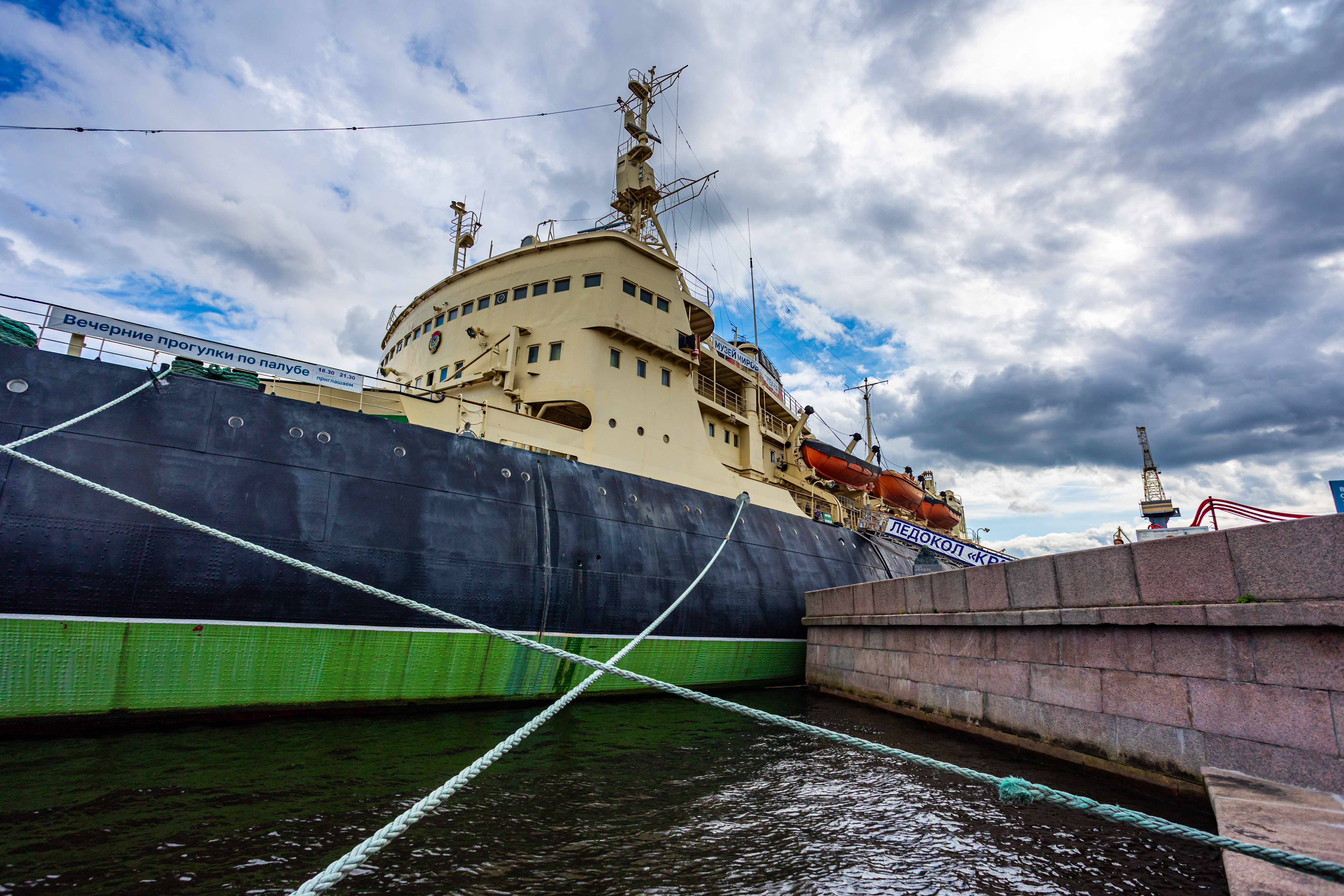
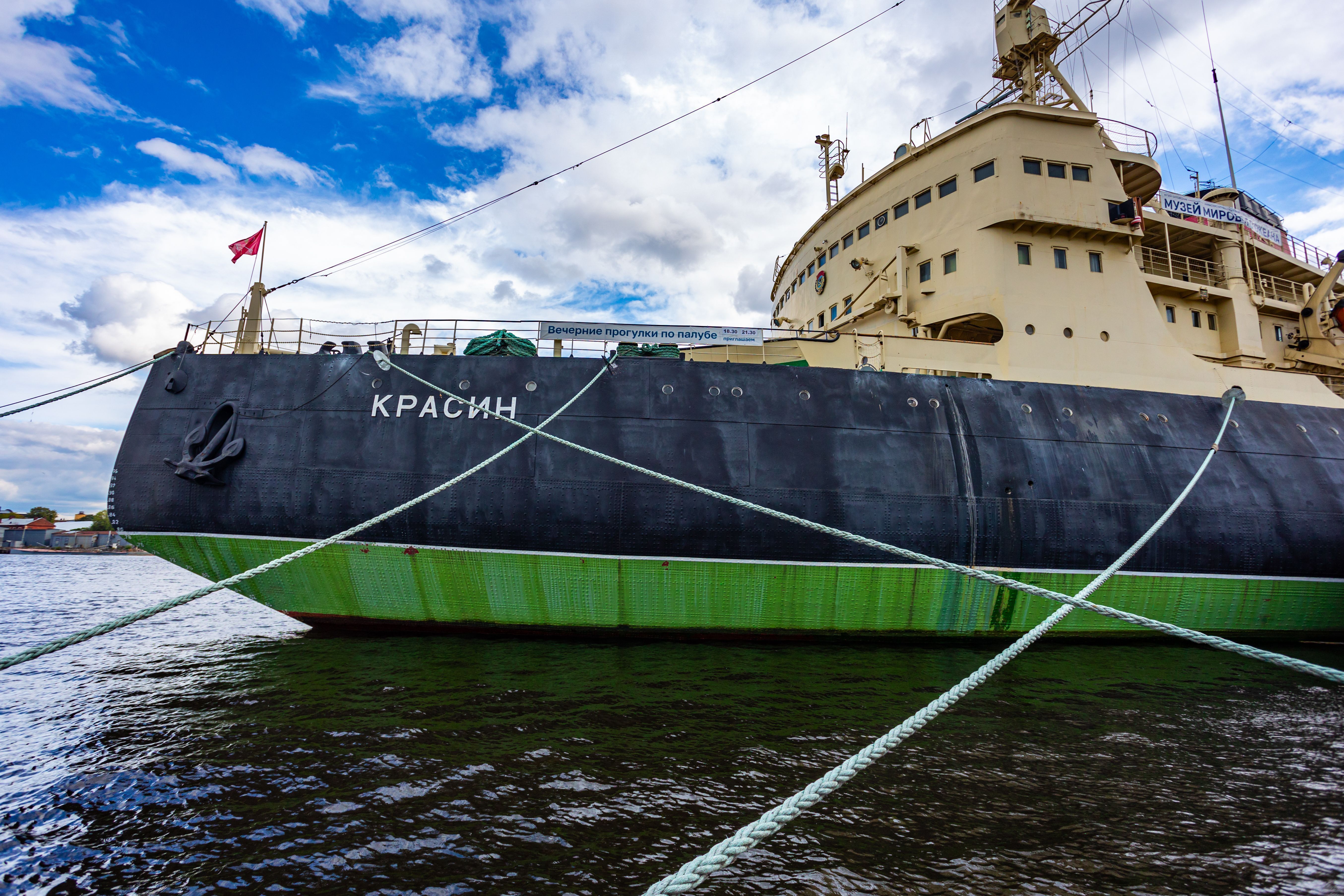
- Icebreaker «Krasin»
Address: Lieutenant Schmidt Embankment, 23
Exhibit: «Supply and Convoys» — materials from the Boris Yeltsin Presidential Library.
Empress Catherine II Saint Petersburg Mining University- The Baltic Shipyard
Address: Kosaya Line of Vasilievsky Island, 1